25 Iconic American Landmarks Across the USA (and the Stories Behind Them)

The United States doesn’t have a 2,000-year-old Colosseum or a cathedral built before the printing press. What it has instead is a different kind of monument-making: places that were dreamed up by immigrants, inventors, presidents, robber barons, songwriters, and stonemasons — usually within the last 250 years, and almost always with an oversized sense of possibility. Here are 25 of America’s most iconic landmarks, one from each state, and how each one came to be.
1. The Statue of Liberty — New York
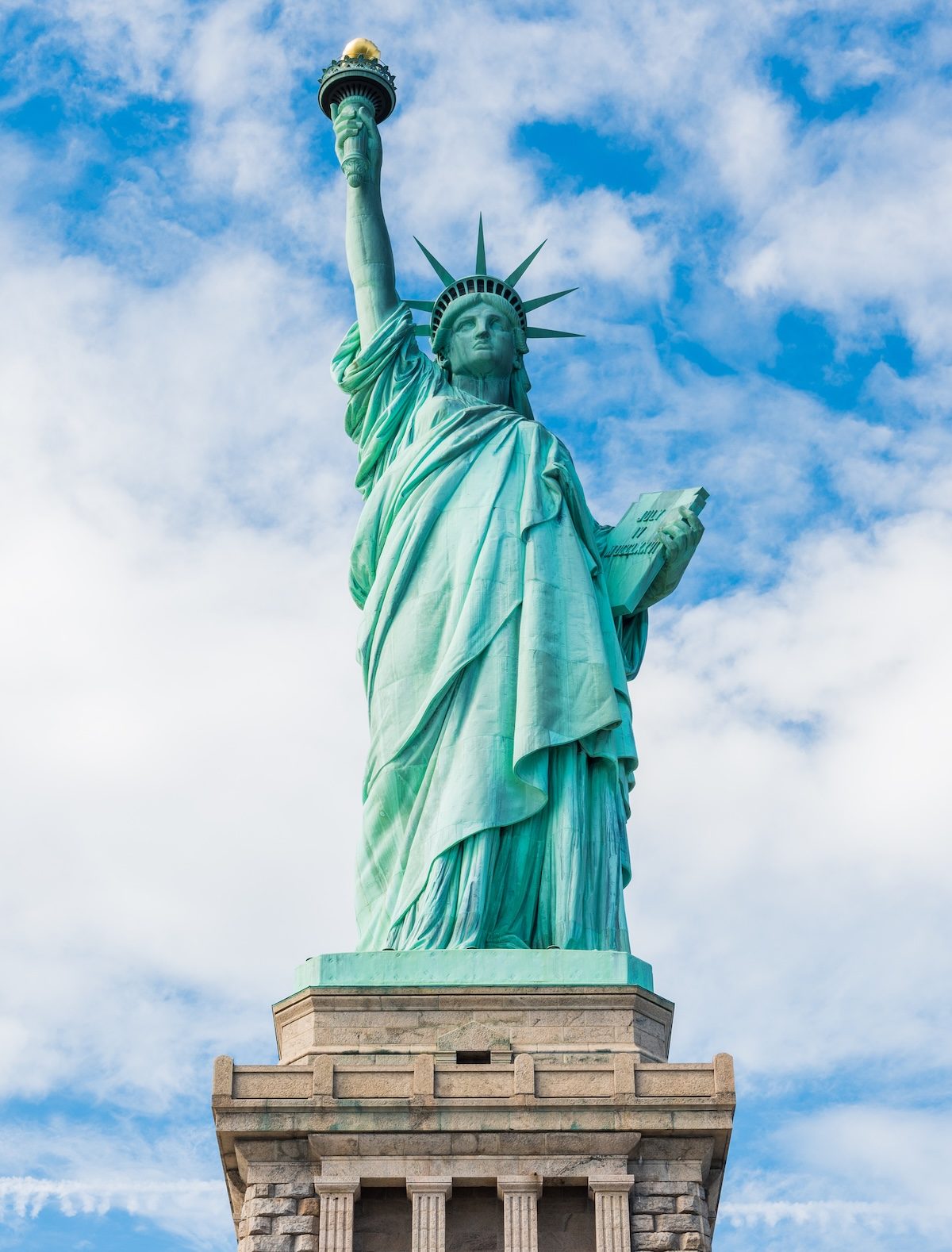
A gift from France in 1886 to celebrate the centennial of American independence (a few years late). Sculptor Frédéric Auguste Bartholdi designed the figure; Gustave Eiffel engineered the internal iron framework that lets her sway in the wind. For millions of immigrants arriving by ship at Ellis Island, she was the first thing they saw of America, which is exactly why she’s still the country’s most enduring symbol of welcome.
2. Independence Hall — Philadelphia, Pennsylvania
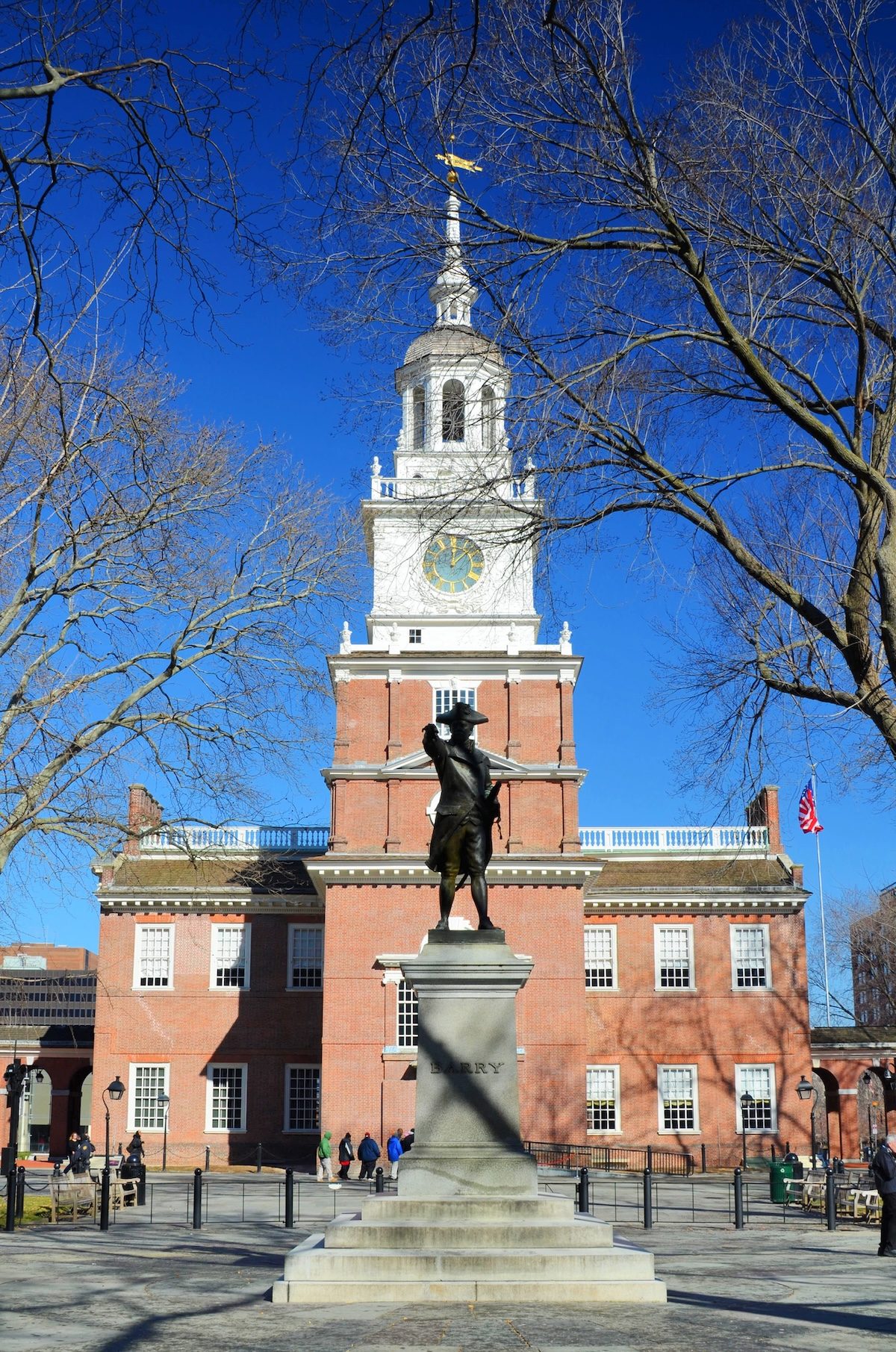
The red-brick Georgian building where the Declaration of Independence was signed in 1776 and the U.S. Constitution drafted in 1787. Originally built as the Pennsylvania State House starting in 1732, it wasn’t designed to host a revolution… but the men who gathered in its Assembly Room ended up writing the operating manual for a new kind of country. It’s where America became America.
3. The Lincoln Memorial — Washington, D.C.
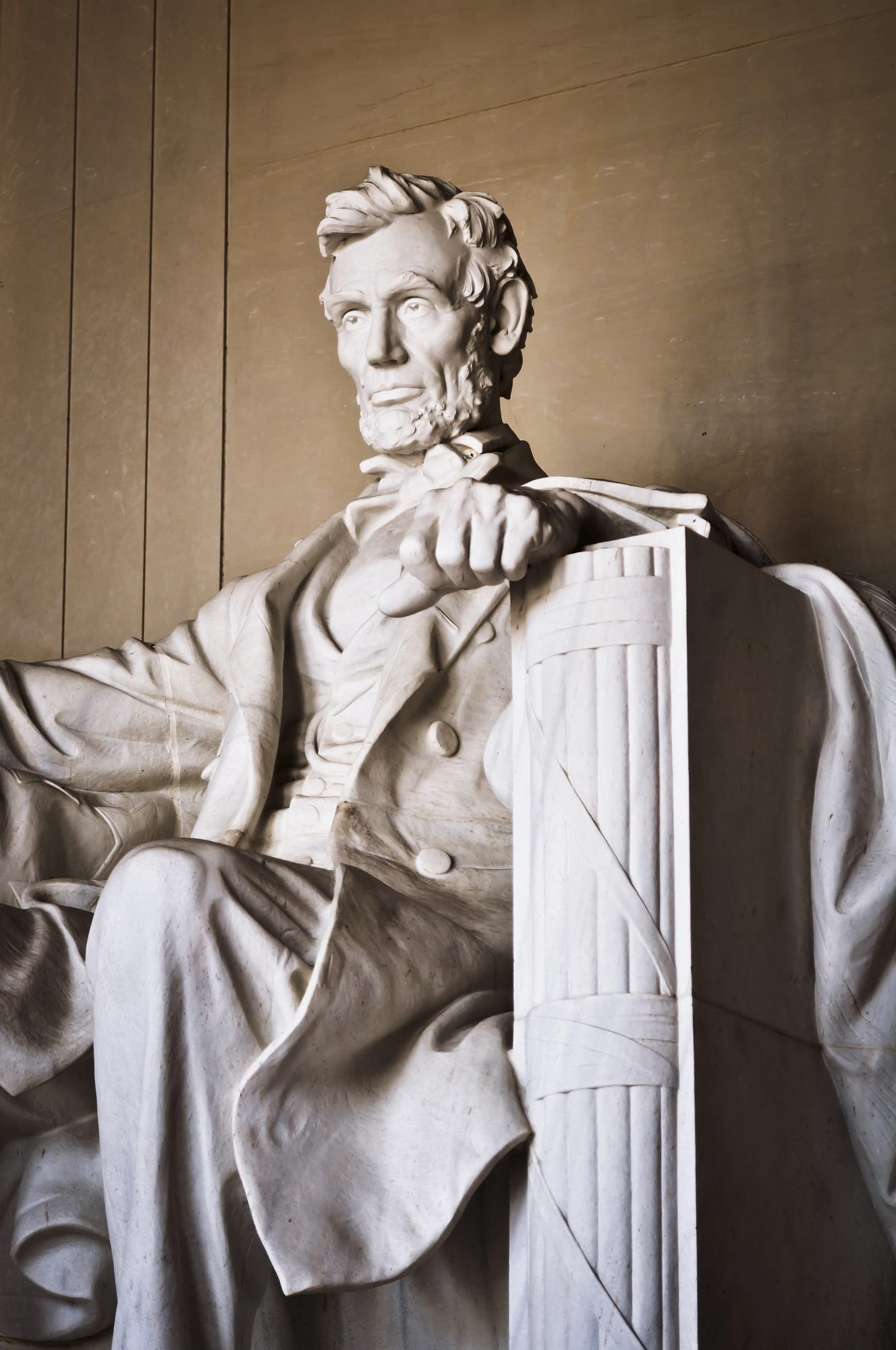
Architect Henry Bacon modeled it on a Greek temple; sculptor Daniel Chester French carved the 19-foot seated Lincoln from 28 blocks of Georgia marble. Dedicated in 1922, the memorial has since become the unofficial stage of American conscience — Marian Anderson sang there in 1939 after being barred from Constitution Hall, and Martin Luther King Jr. delivered “I Have a Dream” from its steps in 1963.
4. Fenway Park — Boston, Massachusetts
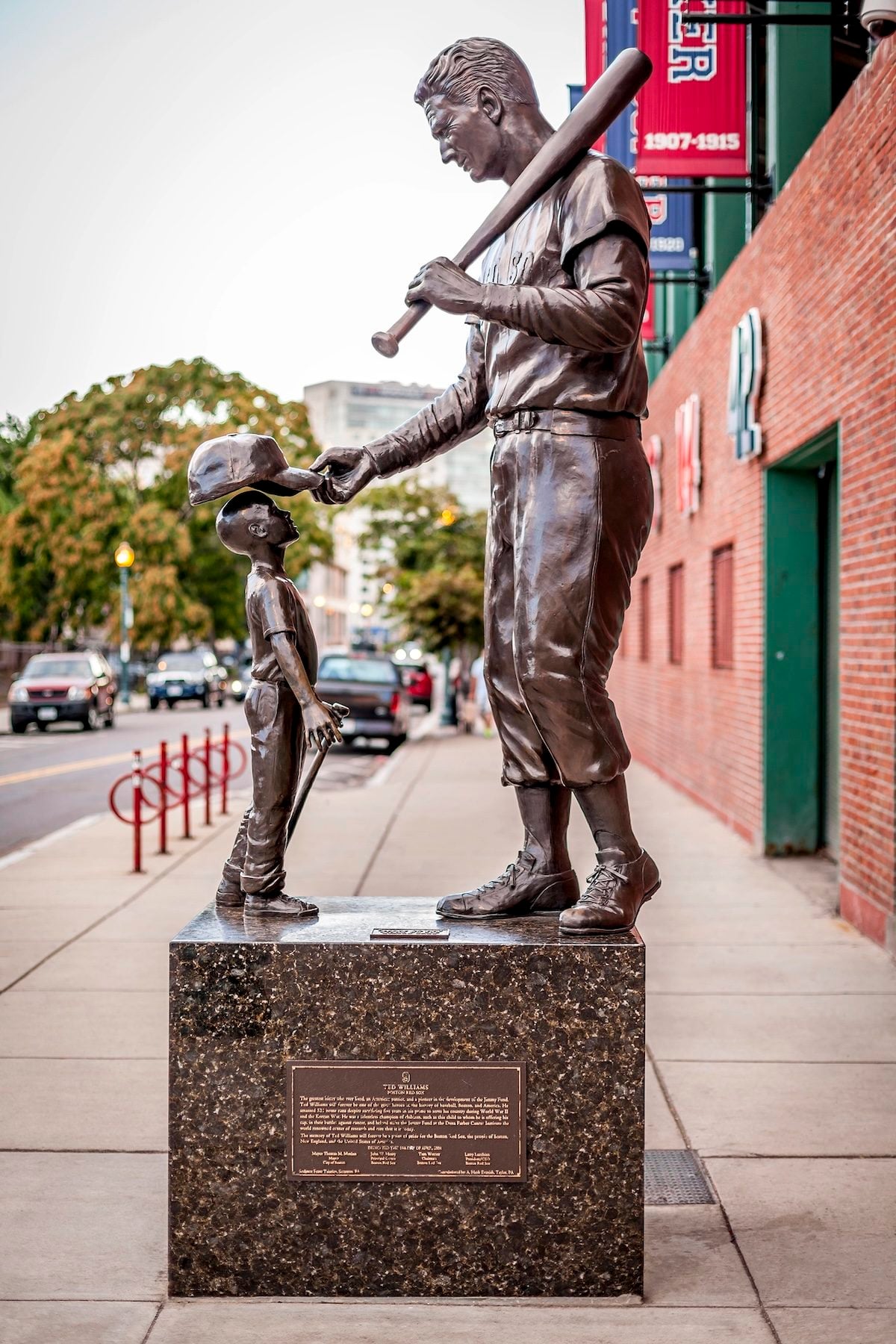
Opened on April 20, 1912 — five days after the Titanic sank, which buried the news — Fenway is the oldest active ballpark in Major League Baseball. The 37-foot left field wall, known as the Green Monster, exists because the original architects ran out of room and had to build straight up. More than a century later, it’s the spiritual home of American baseball.
5. Fort McHenry — Baltimore, Maryland
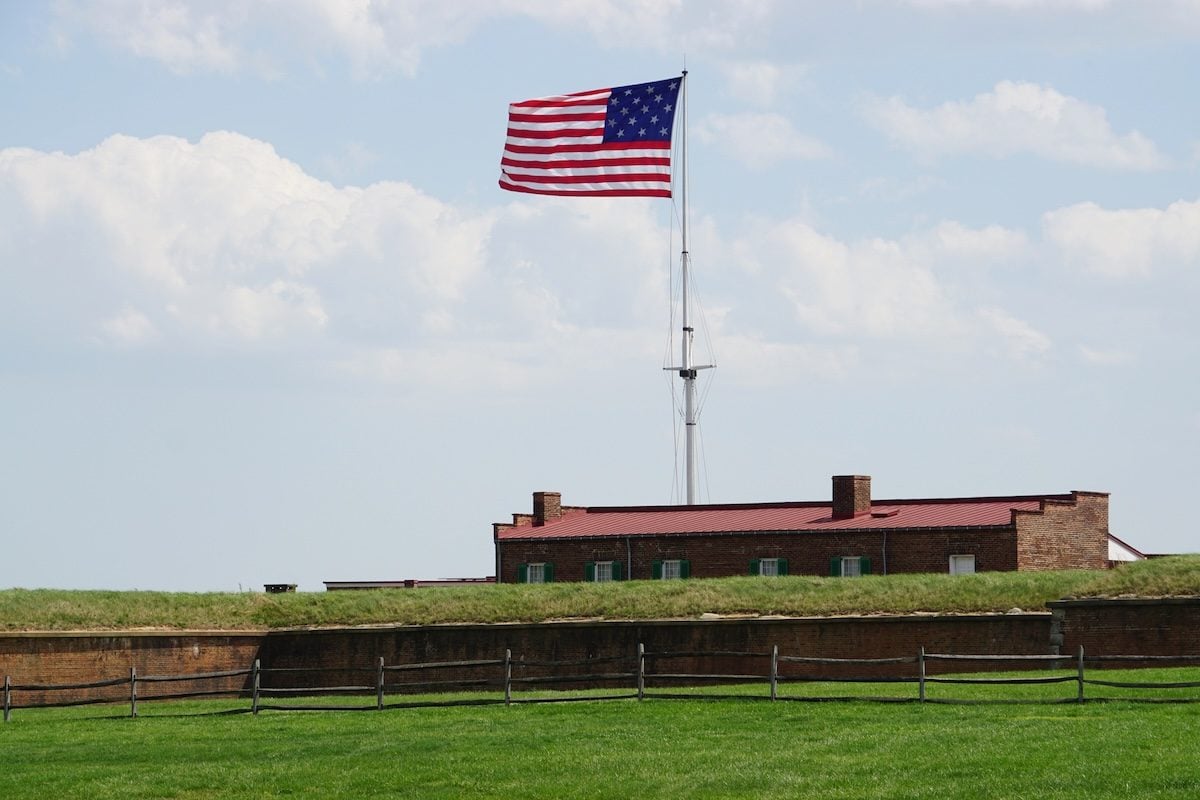
Built between 1798 and 1800 as a star-shaped coastal defense, Fort McHenry held off a 25-hour British naval bombardment during the War of 1812. Watching from a ship in the harbor on the morning of September 14, 1814, American lawyer Francis Scott Key saw the fort’s massive flag still flying through the smoke and wrote a poem about it. “The Defence of Fort M’Henry” was later set to music and became “The Star-Spangled Banner,” officially adopted as the national anthem in 1931. The fort is the only site in the National Park System designated as both a National Monument and a Historic Shrine.
6. Portland Head Light — Cape Elizabeth, Maine
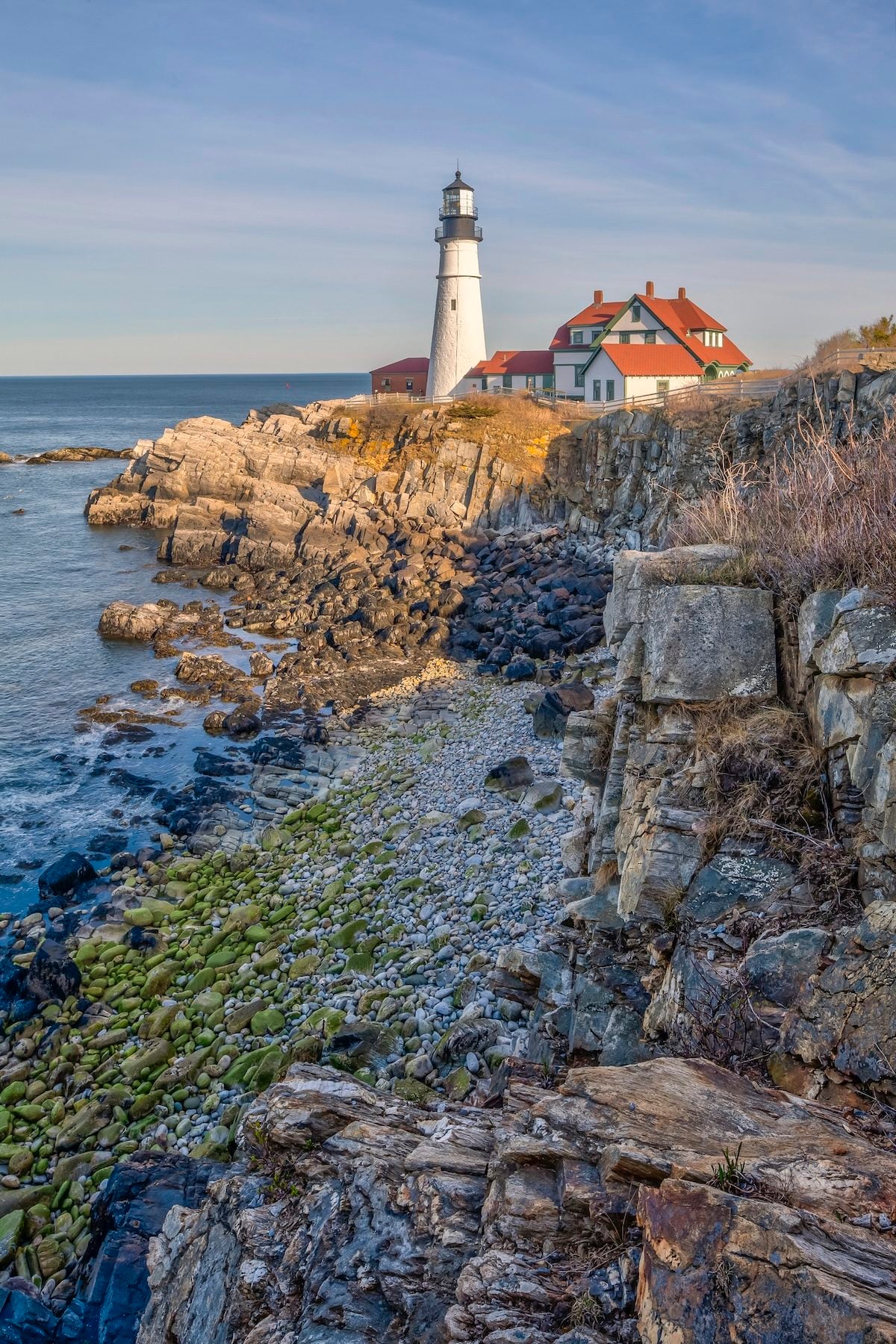
Commissioned by George Washington himself and completed in 1791, Portland Head is Maine’s oldest lighthouse and one of the most painted, photographed, and postcarded structures in the country. It has guided ships into Casco Bay for more than two centuries — and its rugged granite silhouette against the Atlantic remains the platonic ideal of a New England lighthouse.
7. Monticello — Charlottesville, Virginia
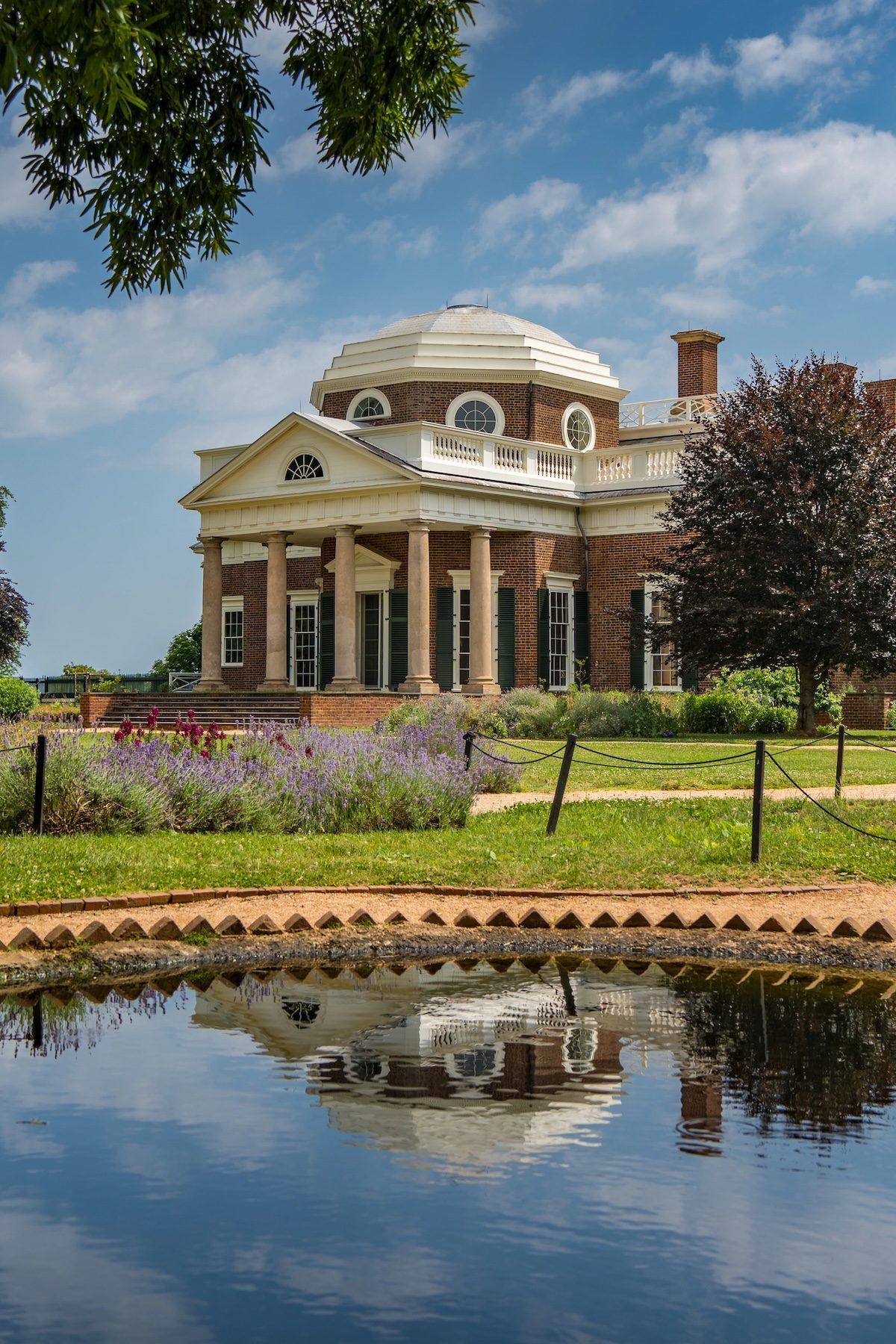
Thomas Jefferson designed his own home and tinkered with it for 40 years, beginning in 1769. The neoclassical estate atop a small mountain (monticello in Italian) reflects his obsessions: architecture, agriculture, invention, and the Enlightenment. It also sits on a plantation worked by more than 600 enslaved people over Jefferson’s lifetime — a contradiction the site now confronts directly, making it one of the most complicated and essential landmarks in America.
8. The Biltmore Estate — Asheville, North Carolina
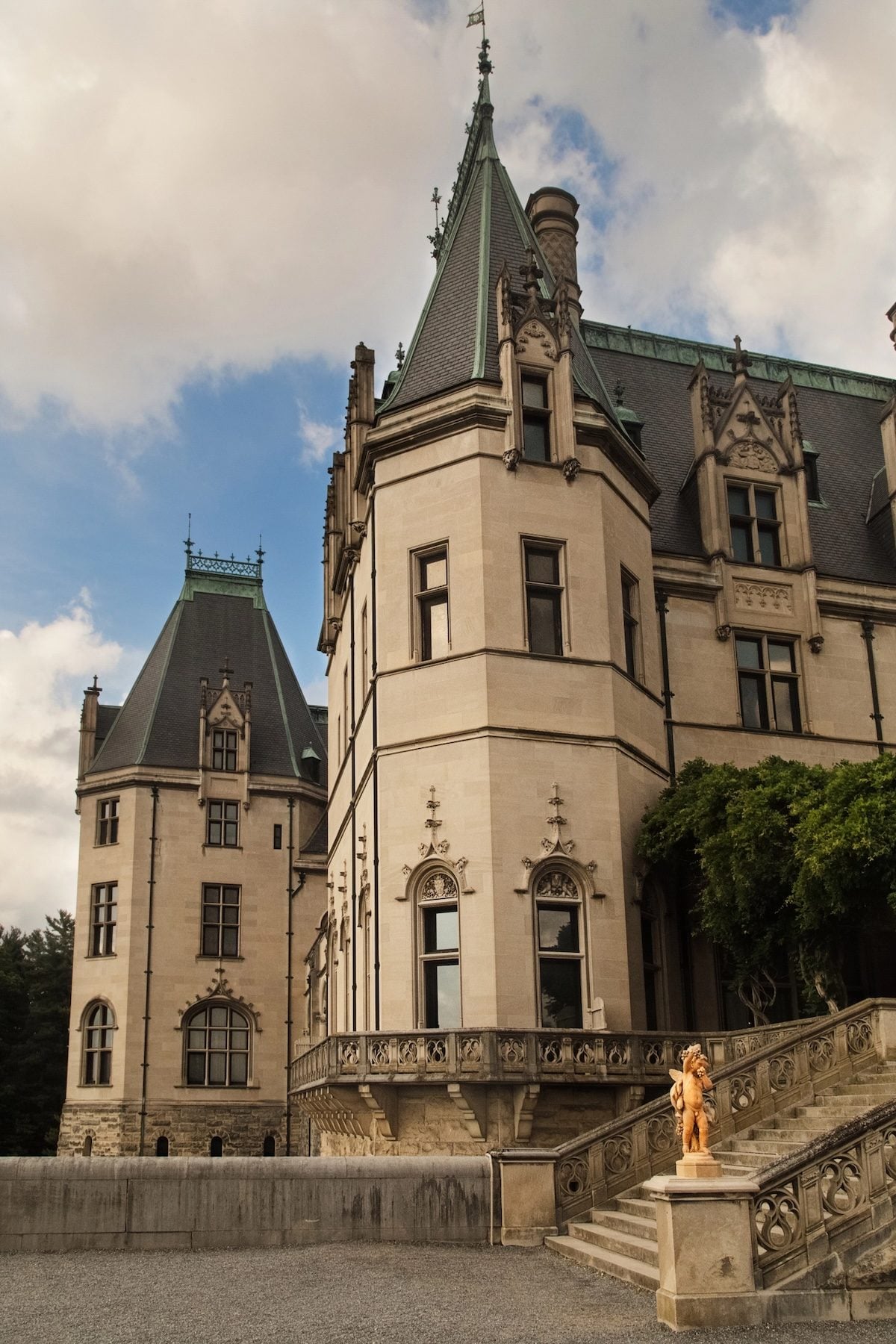
George Washington Vanderbilt II opened his 250-room French Renaissance château on Christmas Eve 1895. Designed by Richard Morris Hunt with grounds by Frederick Law Olmsted (the Central Park guy), it remains the largest privately owned home in America at roughly 178,000 square feet. Vanderbilt wanted a working country estate; what he built was a Gilded Age fantasy big enough to need its own zip code.
9. Savannah’s Historic District — Savannah, Georgia
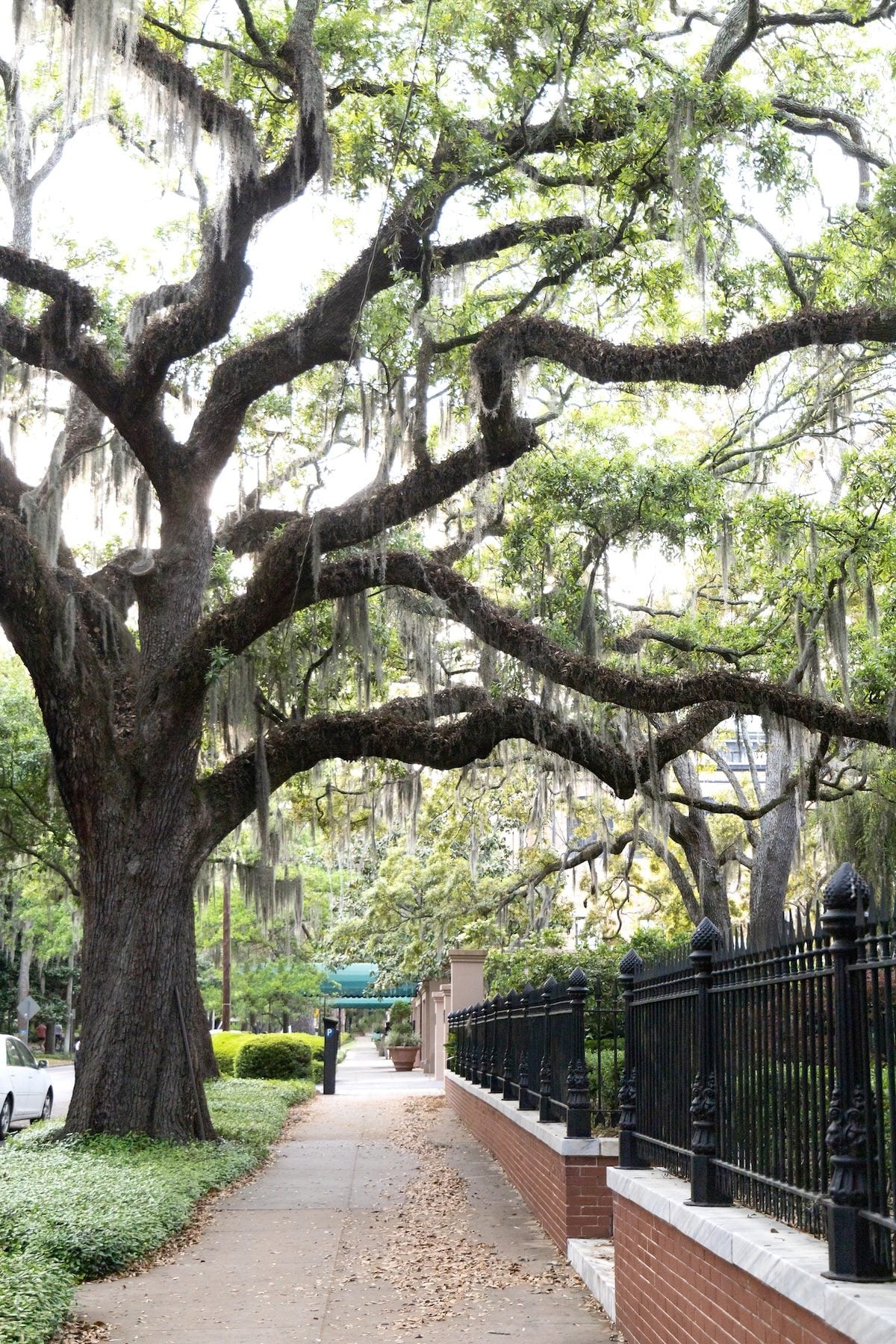
When General James Oglethorpe founded Savannah in 1733, he laid it out around 24 public squares — a grid plan unlike anything else in colonial America. Twenty-two squares survive, shaded by live oaks dripping with Spanish moss and ringed by antebellum mansions and church steeples. Savannah was spared during Sherman’s March (the general reportedly gave the city to Lincoln as a Christmas present in 1864), which is why so much of its 18th- and 19th-century fabric remains intact.
10. Kennedy Space Center — Cape Canaveral, Florida
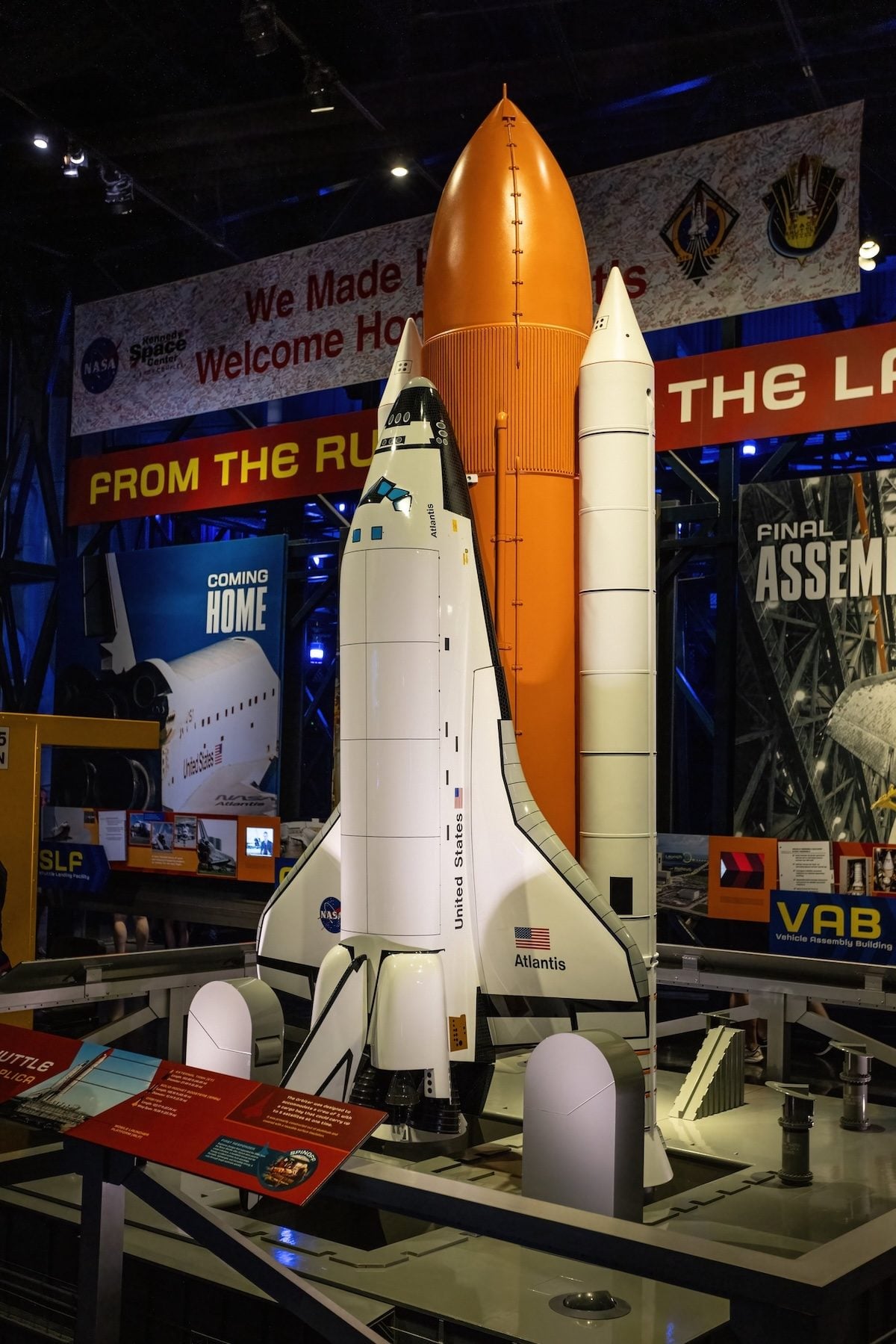
NASA chose Florida’s Atlantic coast for its launch facility in 1962 because rockets fired eastward could use Earth’s rotation for a speed boost — and because failures would fall harmlessly into the ocean. Apollo 11 lifted off from Launch Complex 39A on July 16, 1969, carrying the first humans to land on the Moon. Today the site still launches crewed missions; it’s the rare American landmark that’s also a working frontier.
11. The Grand Ole Opry — Nashville, Tennessee
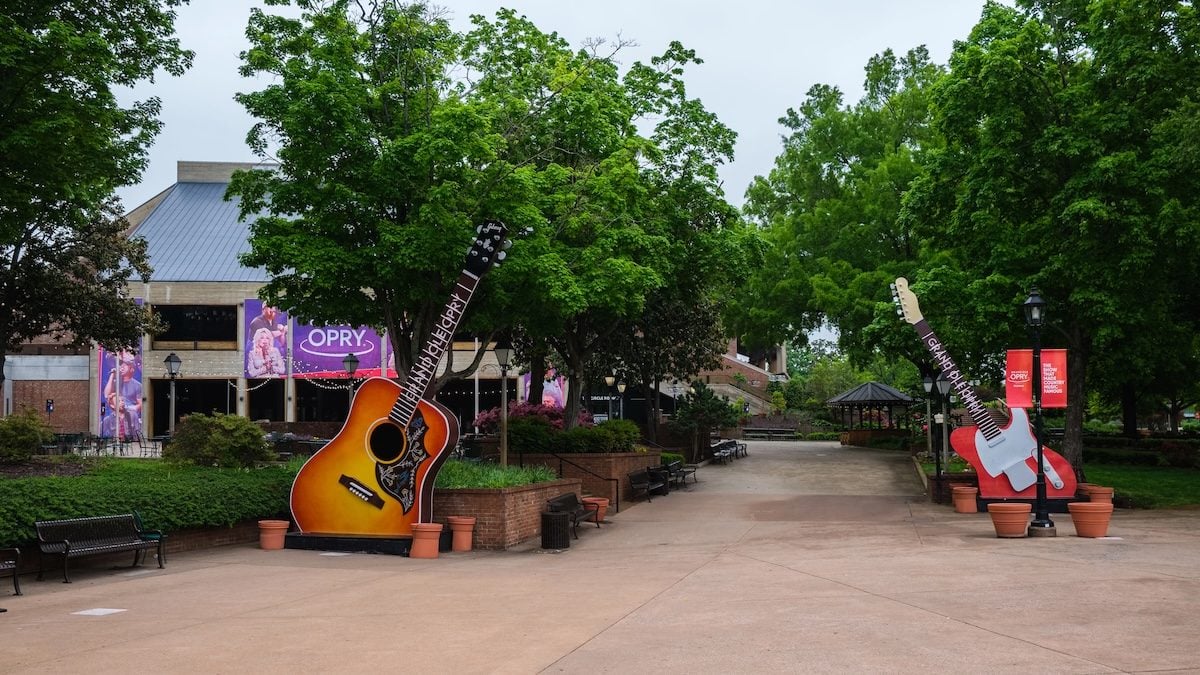
It started on November 28, 1925, as a one-hour radio show called the WSM Barn Dance, broadcast from a Nashville insurance company’s fifth-floor studio. Host George D. Hay rechristened it the “Grand Ole Opry” two years later — a wisecrack about following an opera broadcast on the network. Now the longest-running radio program in American history, the Opry essentially built country music as a national art form, turning Nashville into Music City and giving Hank Williams, Patsy Cline, Loretta Lynn, and Garth Brooks the stage where careers got made.
12. Churchill Downs — Louisville, Kentucky
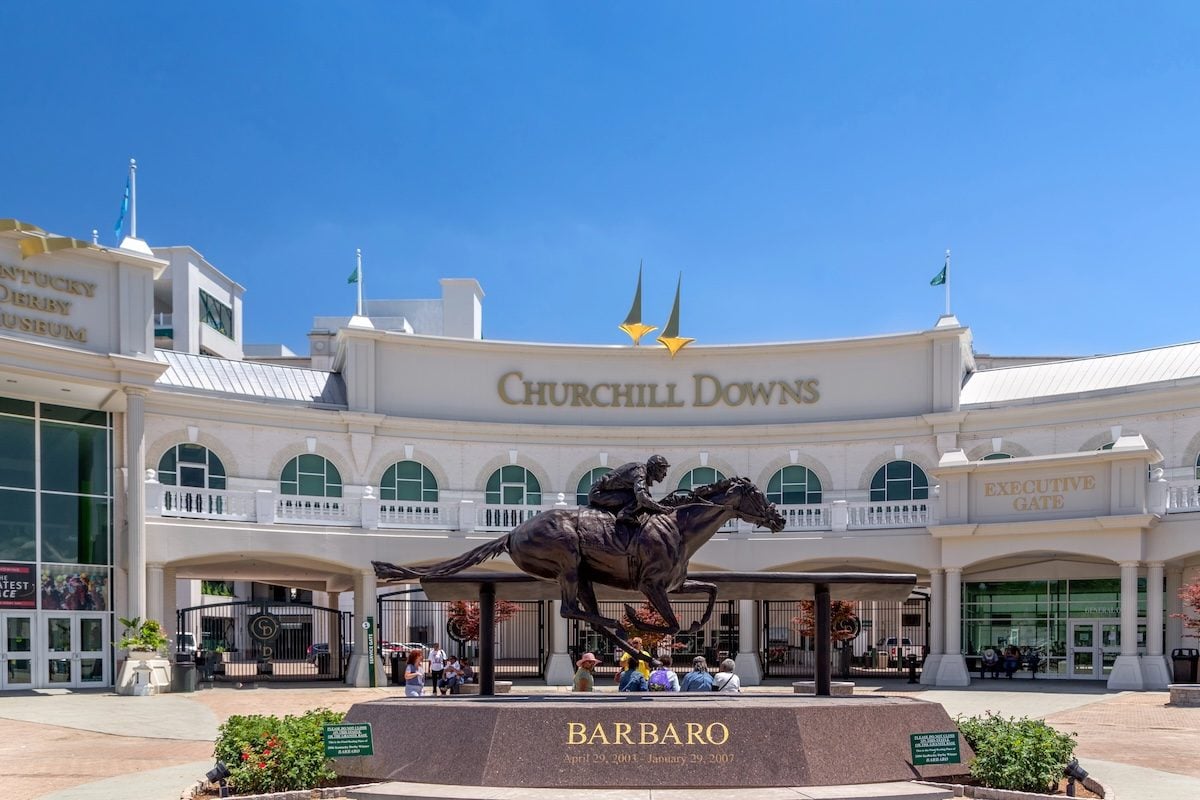
Colonel Meriwether Lewis Clark Jr. — grandson of the explorer William Clark — founded Churchill Downs in 1875 after touring European racecourses and deciding America needed one of its own. The Kentucky Derby has run on the first Saturday in May ever since, making it the longest continuously held sporting event in the United States. The twin spires that crown the grandstand were added in 1895 and remain one of horse racing’s most recognizable images.
13. St. Louis Cathedral & the French Quarter — New Orleans, Louisiana
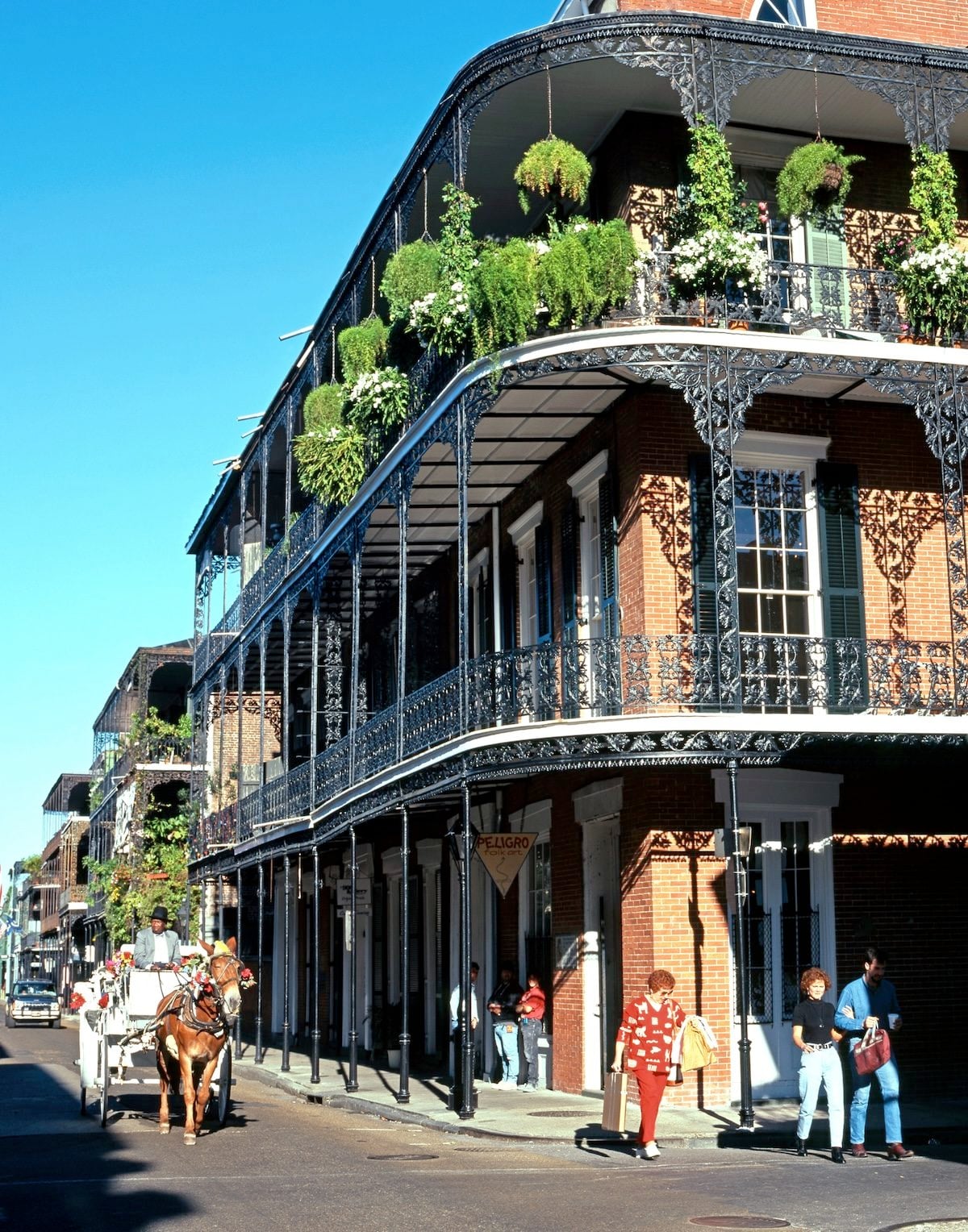
The French Quarter is the oldest neighborhood in New Orleans, founded in 1718 when the city was still a French colony. Most of the iron-laced architecture is actually Spanish, dating to the late 1700s when Spain rebuilt the Quarter after two devastating fires. St. Louis Cathedral, finished in its current form in 1850, anchors Jackson Square and is the oldest continuously active Catholic cathedral in the country. The Quarter is where French, Spanish, African, and Creole cultures fused into something distinctly American.
14. The Alamo — San Antonio, Texas
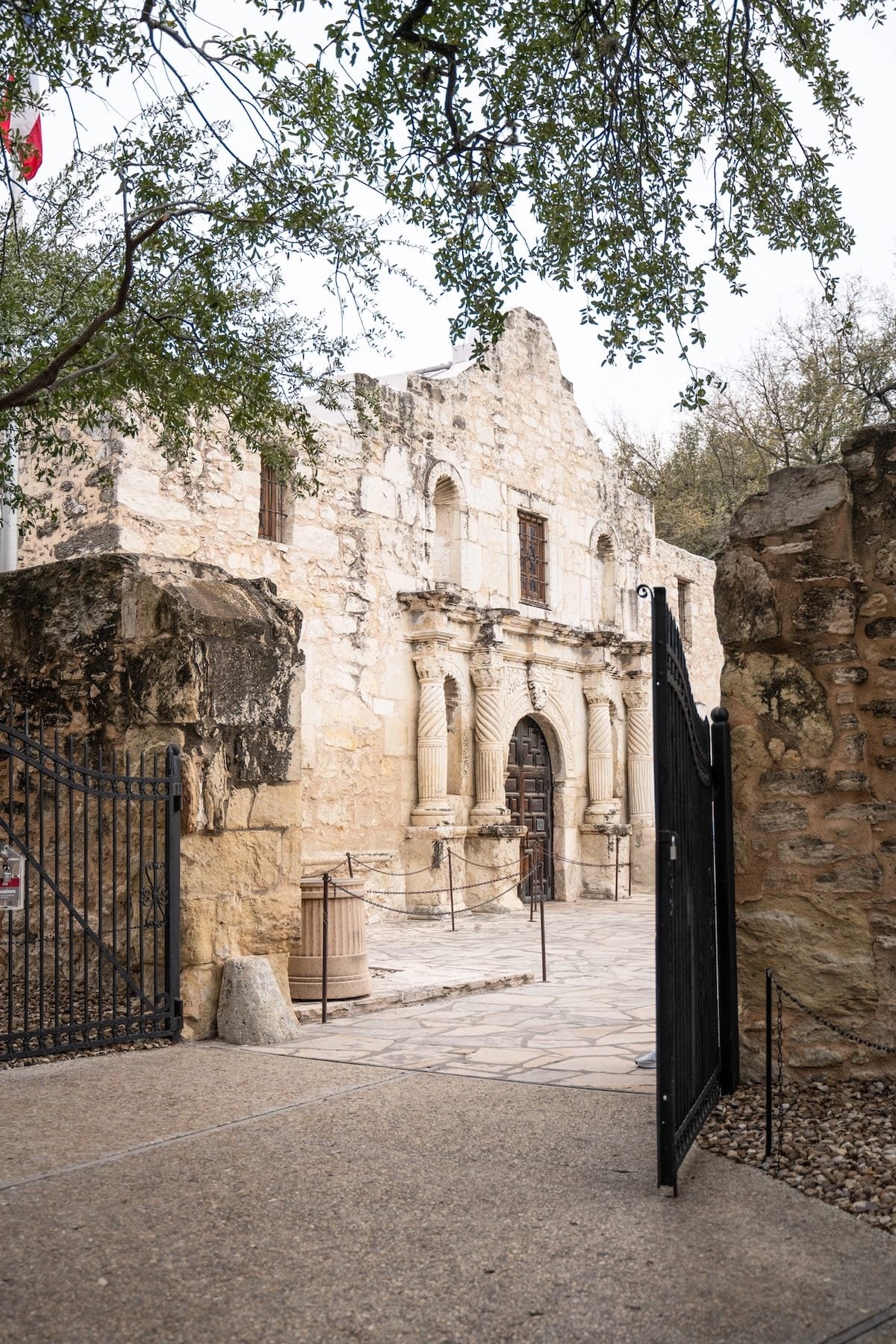
Originally founded in 1718 as Mission San Antonio de Valero, the Alamo was a Spanish religious outpost long before it became a fortress. In March 1836, roughly 200 Texian defenders held it for 13 days against thousands of Mexican troops under General Santa Anna before being overwhelmed. “Remember the Alamo” became the rallying cry that won Texas its independence weeks later. Today the limestone chapel sits incongruously in downtown San Antonio, dwarfed by office towers it has somehow outlasted.
15. The Gateway Arch — St. Louis, Missouri
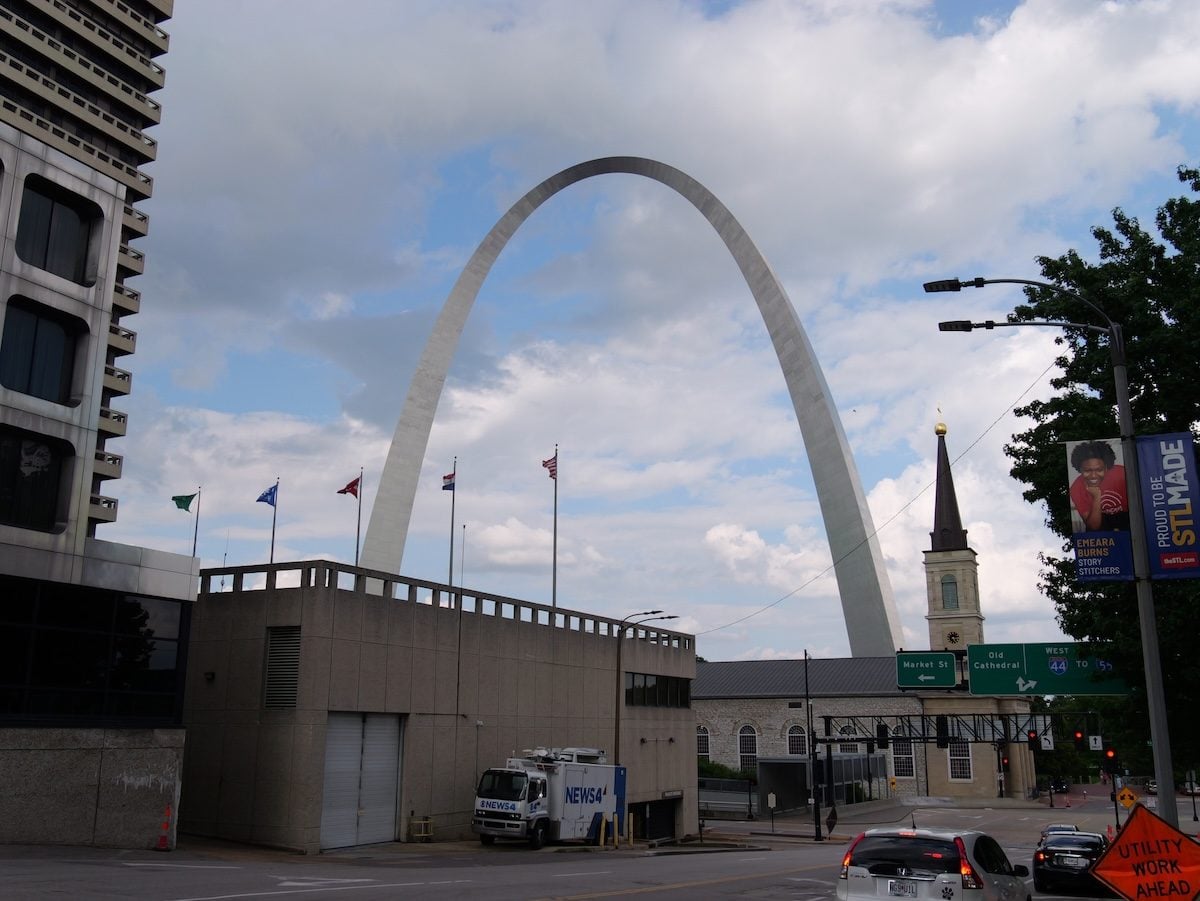
Finnish-American architect Eero Saarinen won the 1947 design competition for a monument to America’s westward expansion, but he didn’t live to see it built — construction ran from 1963 to 1965. At 630 feet, the stainless steel catenary curve is the tallest arch in the world and the tallest human-made monument in the Western Hemisphere. It marks the spot where Lewis and Clark set off in 1804, and where countless pioneers crossed the Mississippi heading west.
16. The Field of Dreams Movie Site — Dyersville, Iowa
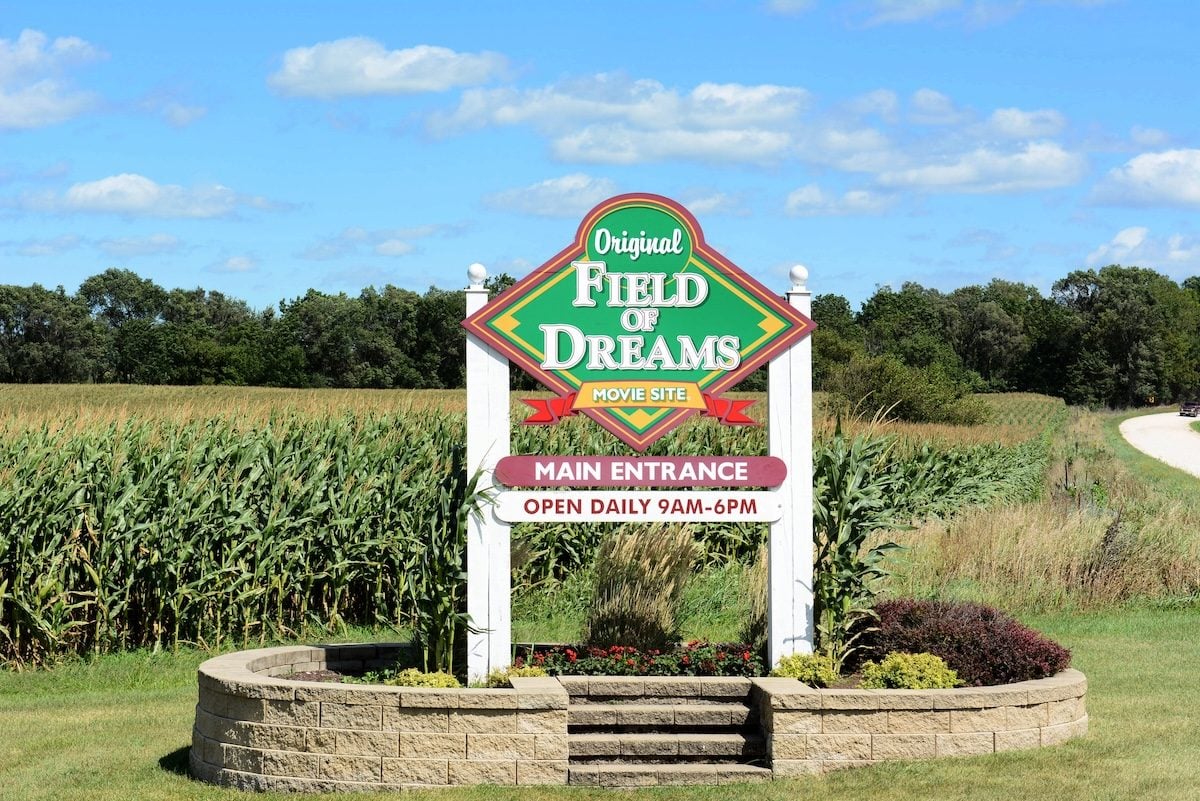
In 1988, a film crew built a baseball diamond in the middle of an Iowa cornfield to shoot a movie no one expected much from. Field of Dreams turned into a cultural phenomenon, and the family who owned the farm decided to leave the diamond standing. People started showing up. They’ve never stopped. The site has hosted MLB regular-season games, and it remains the country’s most unlikely sports landmark — a literal cornfield that became sacred ground.
17. Cloud Gate — Chicago, Illinois
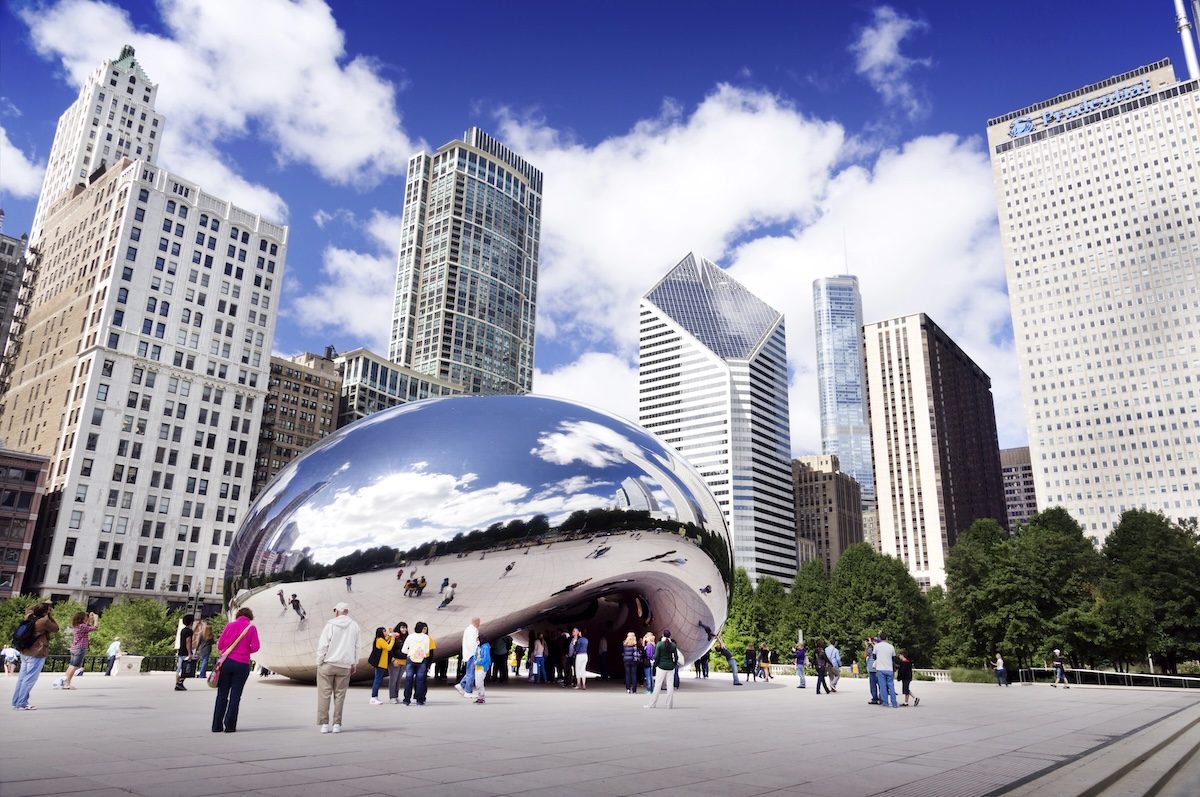
Better known as “The Bean,” British artist Anish Kapoor’s 110-ton stainless steel sculpture was unveiled in Millennium Park in 2006. Kapoor wanted a seamless, mercurial surface that would mirror Chicago’s skyline and the people walking beneath it — the result is essentially a giant funhouse mirror that flips the relationship between viewer and city. It’s the rare modern landmark that instantly became iconic without anyone trying to make it one.
18. Mount Rushmore — Keystone, South Dakota
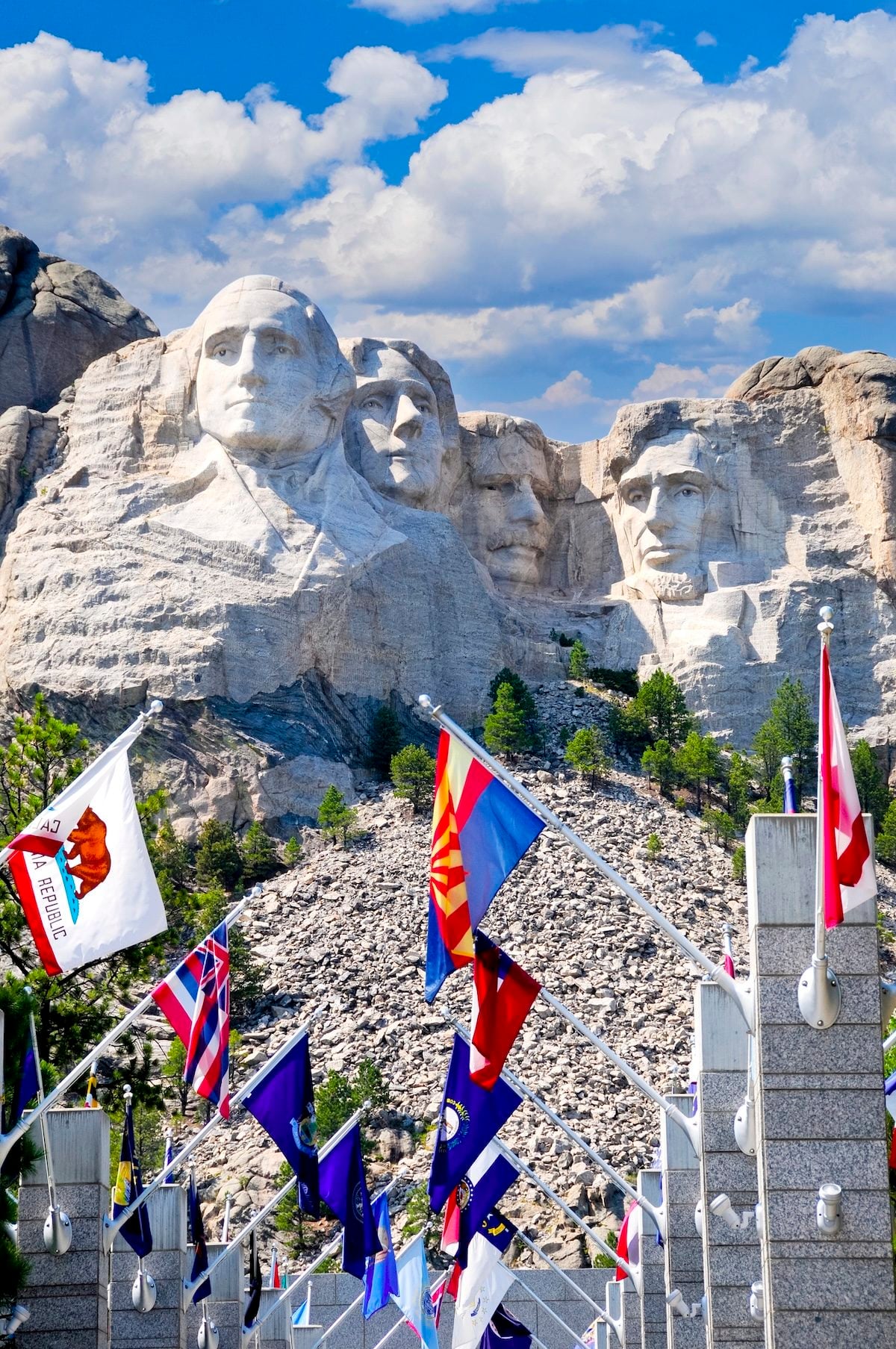
Sculptor Gutzon Borglum and a crew of roughly 400 workers carved the 60-foot faces of Washington, Jefferson, Theodore Roosevelt, and Lincoln into the granite of the Black Hills between 1927 and 1941. The project was conceived to draw tourists to South Dakota; the political symbolism came later. The carving sits on land the U.S. government took from the Lakota Sioux in violation of an 1868 treaty — a fact that complicates the monument’s meaning, even as its scale remains undeniable.
19. Old Faithful — Yellowstone National Park, Wyoming
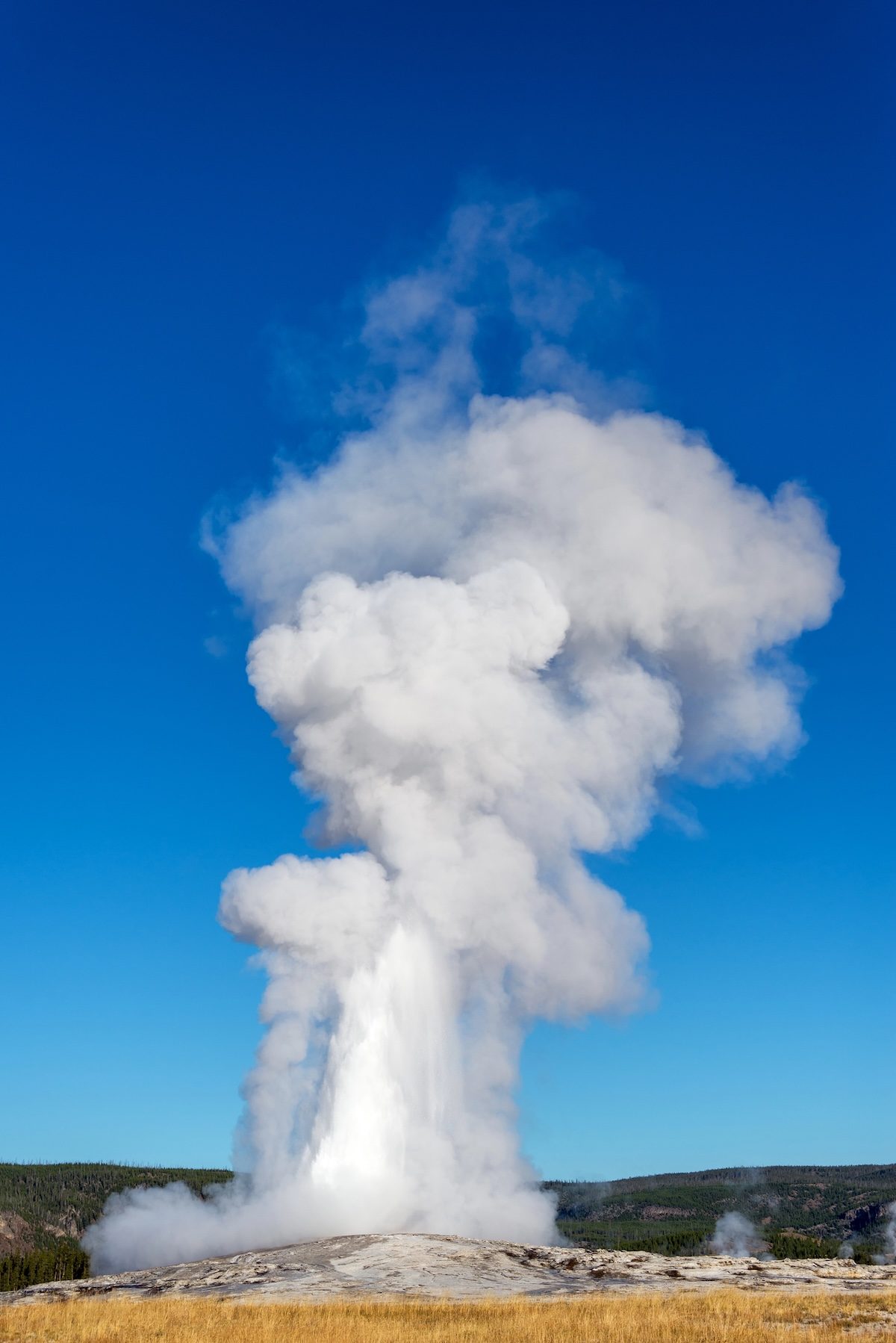
When the Washburn Expedition stumbled on Old Faithful in 1870, they were stunned to find a geyser that erupted on a roughly predictable schedule — a rarity even among geysers. Their reports helped persuade Congress to create Yellowstone in 1872, the world’s first national park and the founding act of the entire national park system. Old Faithful still erupts about every 90 minutes, sending water up to 180 feet in the air.
20. Fort Sumter — Charleston, South Carolina
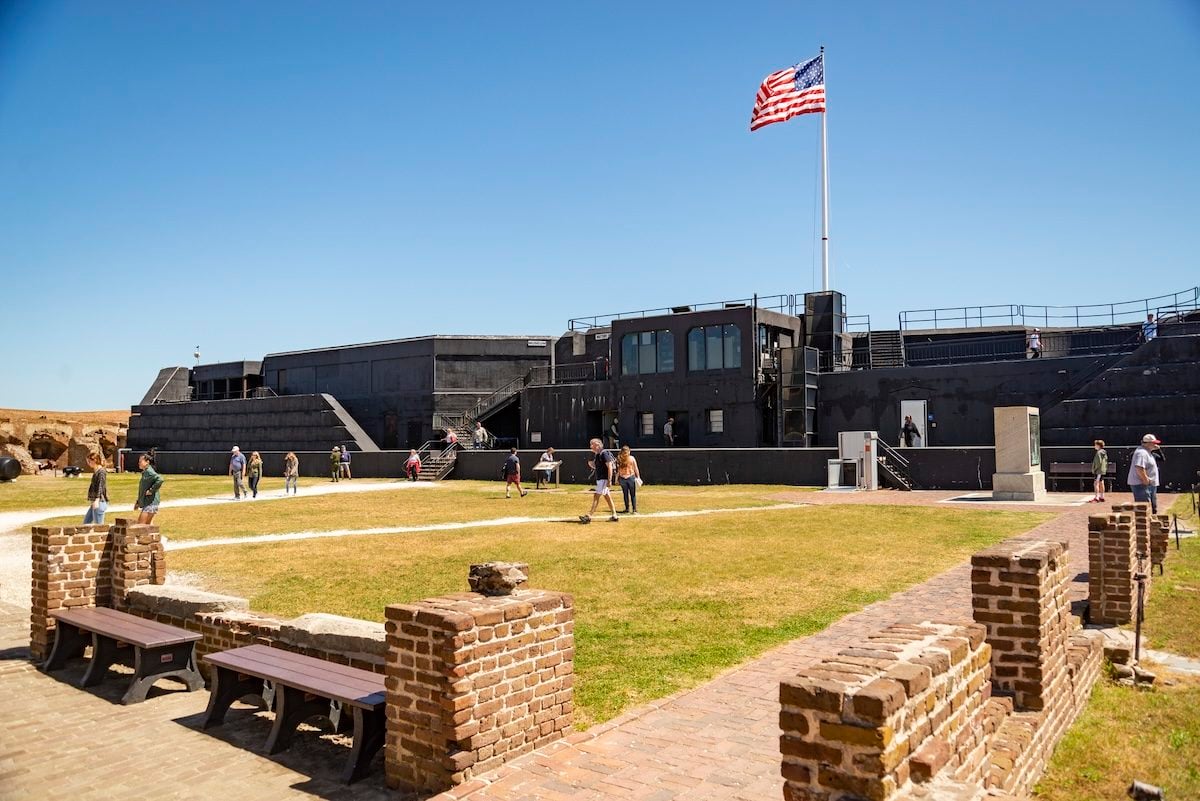
Construction began in 1829 on a man-made island at the mouth of Charleston Harbor, part of a coastal defense system designed after the War of 1812. The fort was still unfinished when South Carolina seceded in December 1860. And at 4:30 a.m. on April 12, 1861, Confederate artillery opened fire on the small Union garrison inside. Those were the first shots of the Civil War. Major Robert Anderson surrendered 34 hours later, and Confederate forces held the fort under siege for nearly four years. Today it’s a National Monument, reachable only by ferry, and the place where four years of American agony began.
21. Hoover Dam — Nevada/Arizona Border
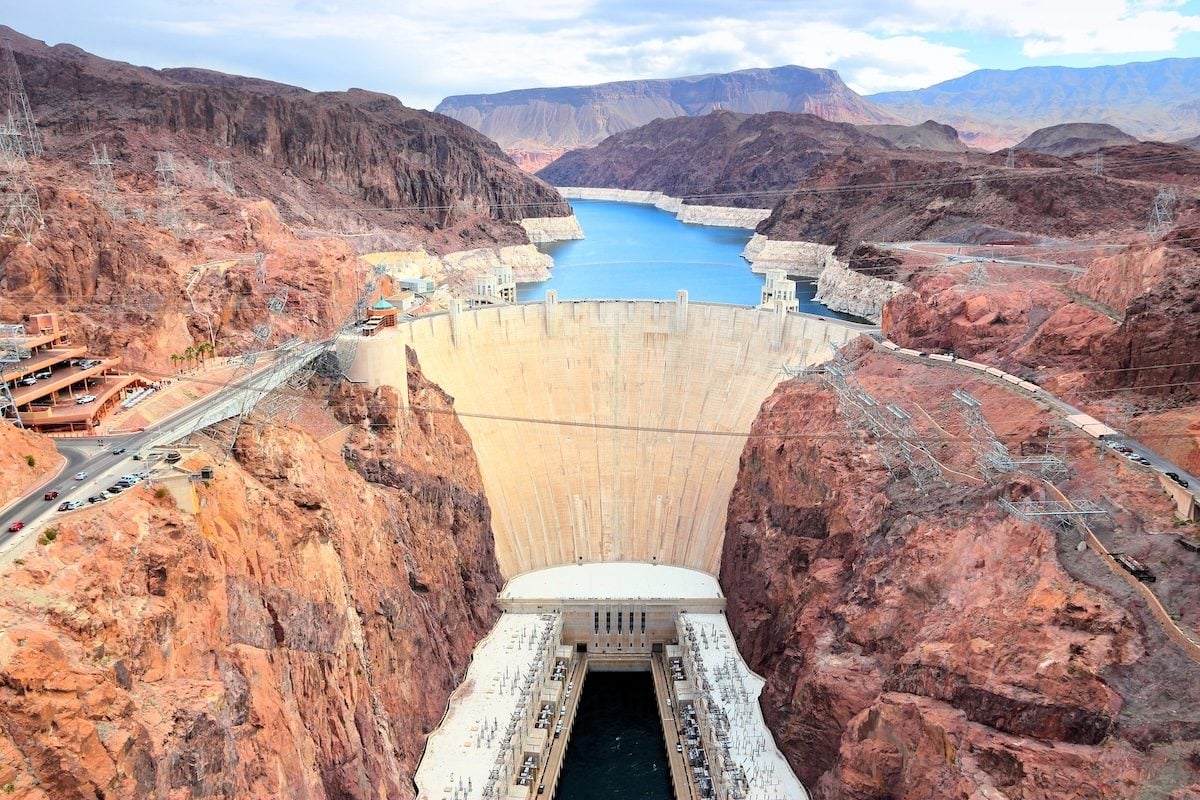
Built between 1931 and 1936 to tame the Colorado River, Hoover Dam was the largest concrete structure on Earth when it was completed — and one of the most ambitious public works projects in American history. The dam created Lake Mead, brought water and electricity to the Southwest, and made cities like Los Angeles and Las Vegas possible. Over 21,000 workers built it during the Great Depression; 96 died during construction. The Art Deco intake towers remain a stunning expression of engineering as monument.
22. The Grand Canyon — Arizona
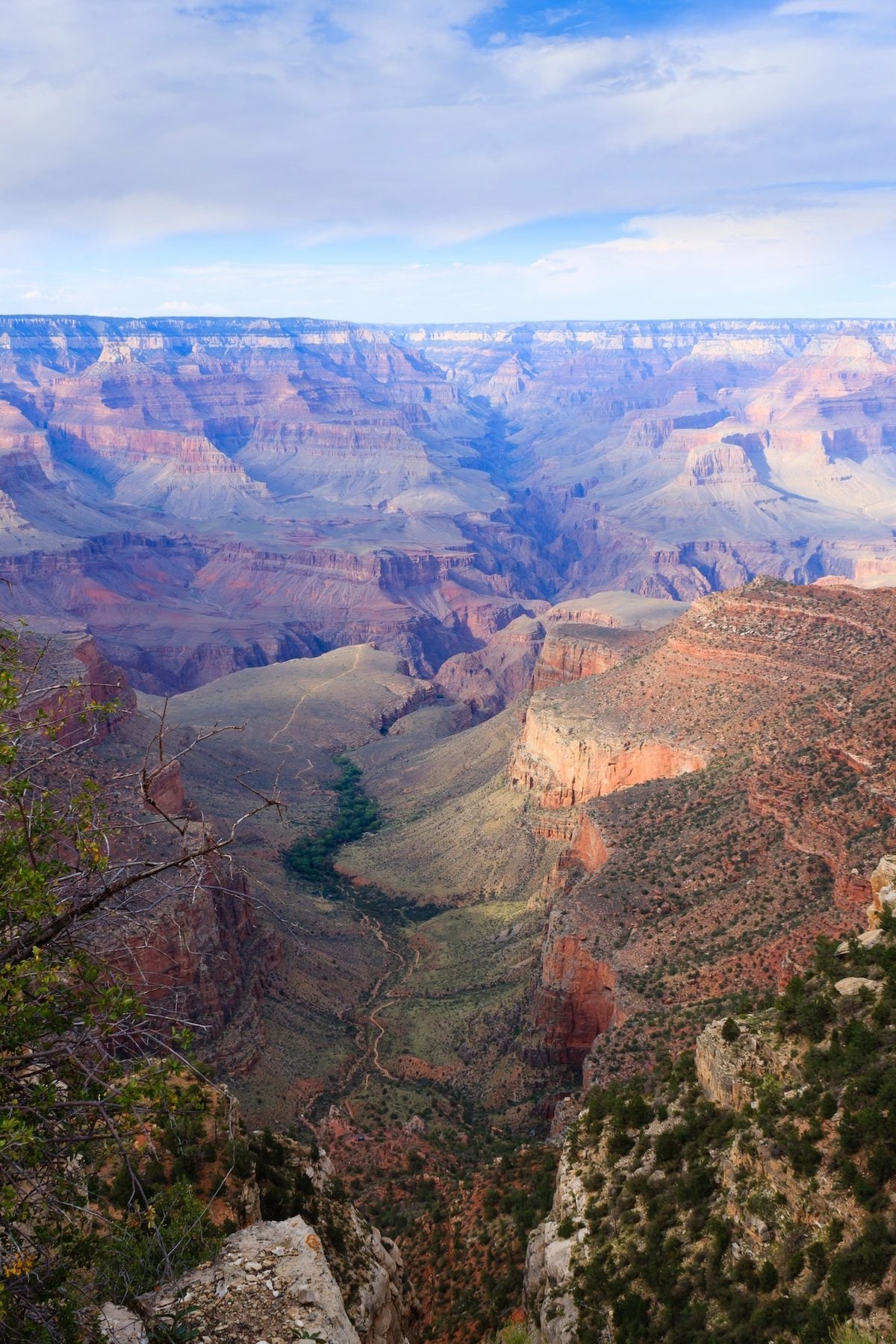
The Colorado River has been carving this gorge for at least 5 to 6 million years, exposing nearly 2 billion years of geological history along its mile-deep walls. President Theodore Roosevelt visited in 1903 and declared it should be preserved “as the one great sight which every American should see.” It was named a national monument in 1908 and a national park in 1919. At 277 miles long, it remains the standard against which all natural landscapes are measured.
23. The Golden Gate Bridge — San Francisco, California
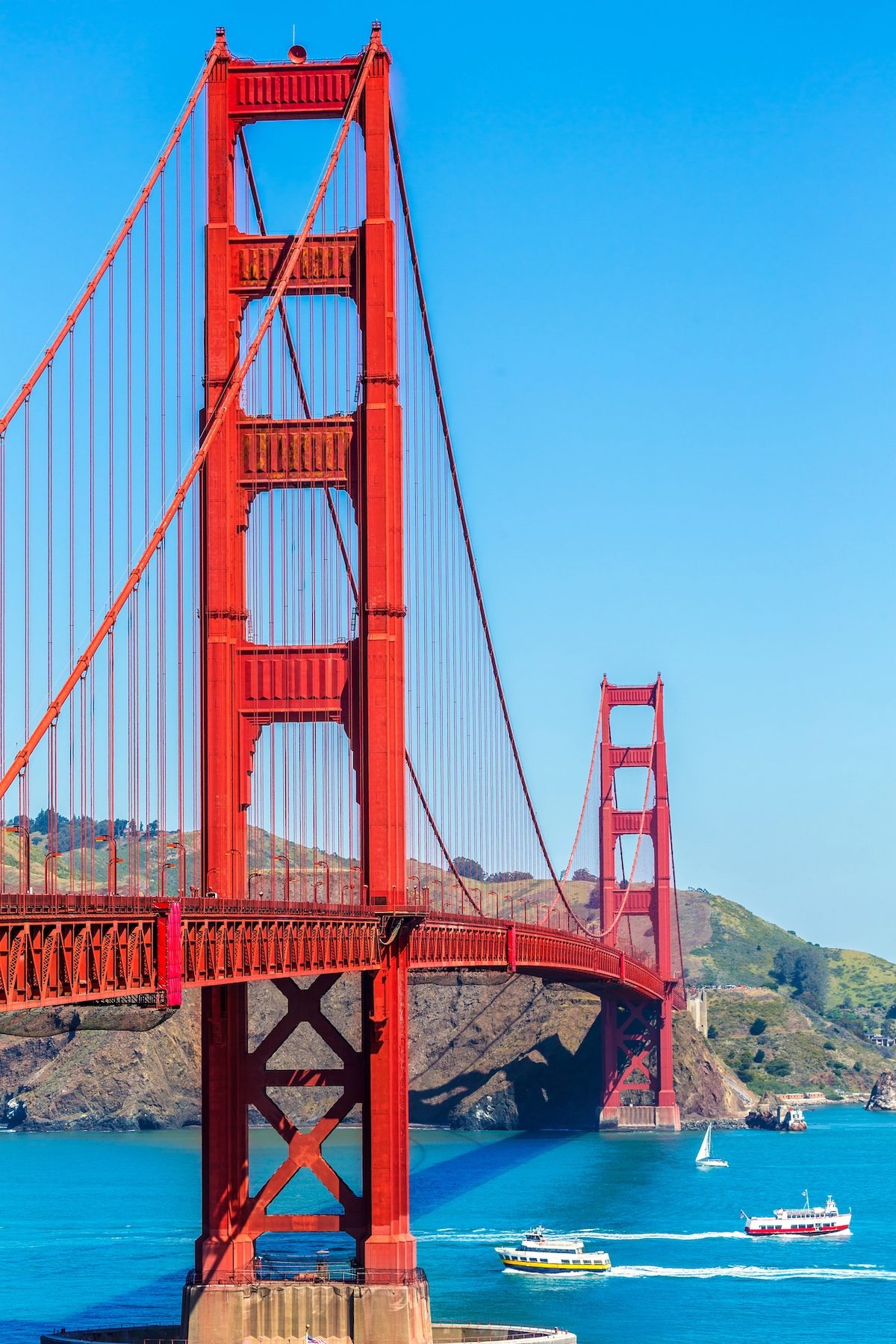
When it opened in 1937, the 1.7-mile suspension span across the Golden Gate strait was the longest in the world. Chief engineer Joseph Strauss had spent more than a decade fighting skeptics who insisted the bridge couldn’t be built across the cold, foggy, current-ripped channel. Consulting architect Irving Morrow chose the now-famous “International Orange” paint so the bridge would be visible in fog and harmonize with the surrounding hills. It’s been California’s front door ever since.
24. The Space Needle — Seattle, Washington
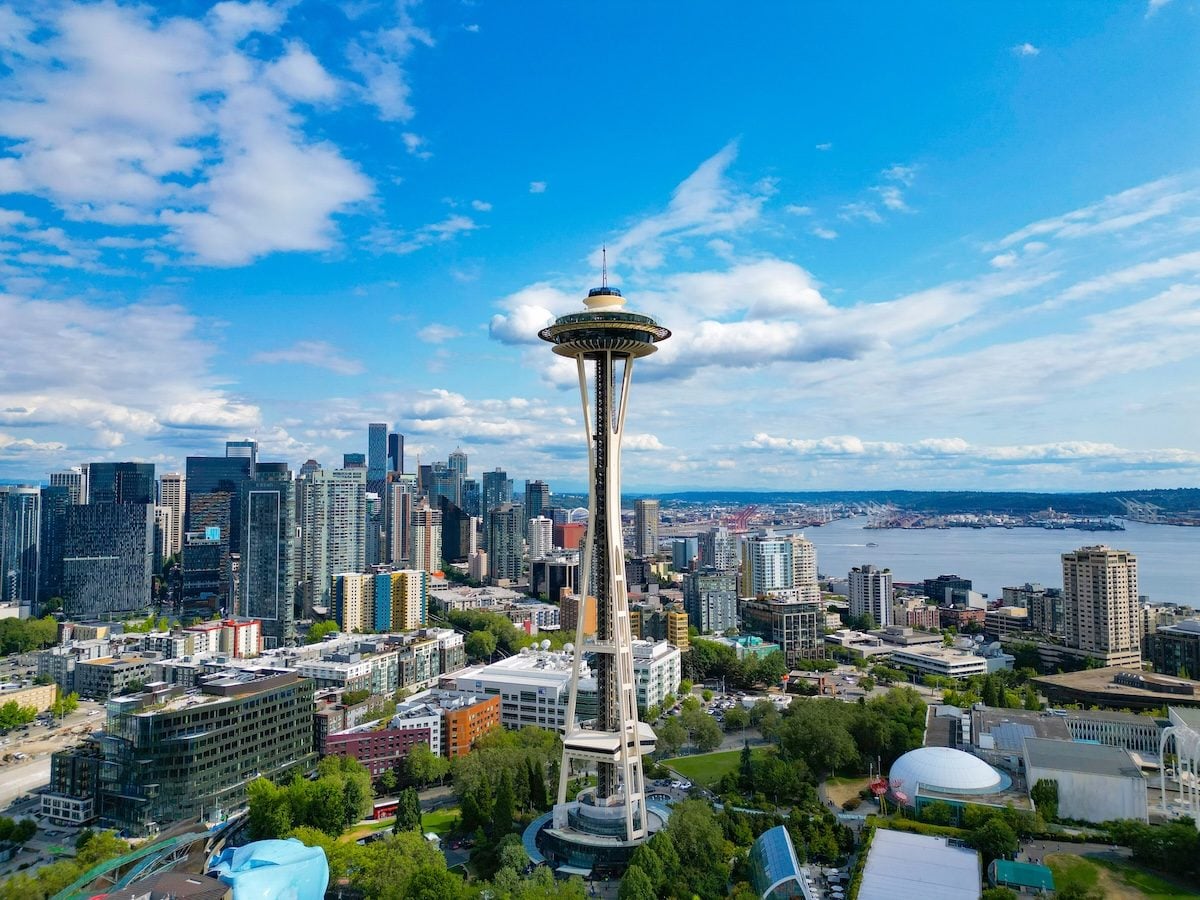
Built for the 1962 World’s Fair, which was themed “Century 21,” the Space Needle was meant to embody mid-century optimism about the space age. Edward E. Carlson sketched the initial concept on a placemat, picturing a flying saucer atop a tower. The 605-foot structure was the tallest building west of the Mississippi when it opened. It survived the demolition that usually follows World’s Fair buildings and became Seattle’s defining silhouette.
25. The USS Arizona Memorial — Pearl Harbor, Hawaii
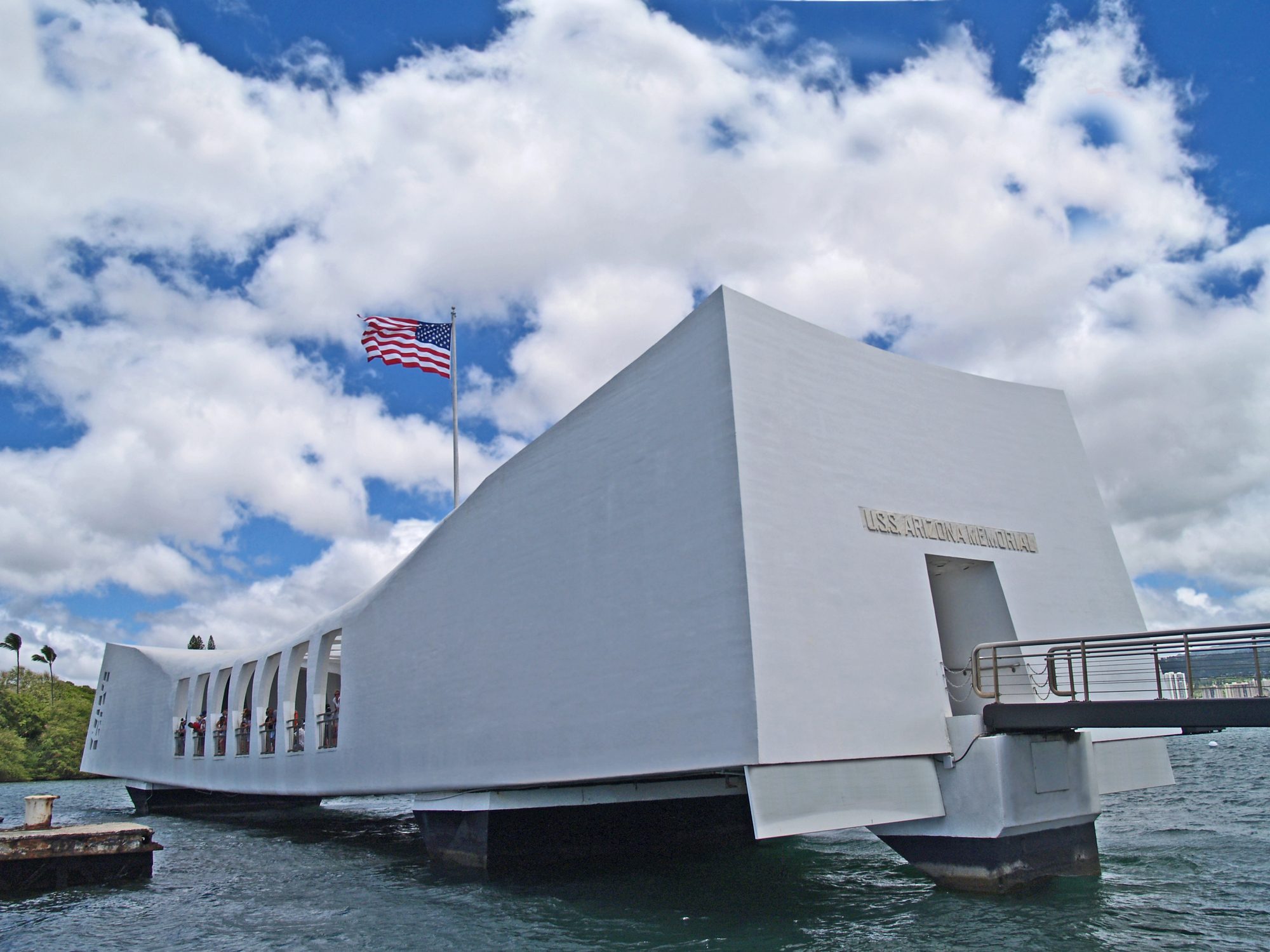
On December 7, 1941, the USS Arizona sank in nine minutes after a Japanese bomb detonated its forward magazine, killing 1,177 sailors and Marines. Most are still entombed in the wreckage below. Architect Alfred Preis — an Austrian immigrant who had been detained as an “enemy alien” during the war — designed the gleaming white memorial that spans the sunken hull. Dedicated in 1962, it remains both a tomb and a reminder of the moment America was pulled into a war it didn’t want.
Why These Places Stay With Us
American landmarks tend to be young, but they’re packed with consequence. Each of these places marks a turn in the national story — a war, a treaty, a song, a moonshot, a leap of engineering, or just an idea that someone refused to let die. They’re not always comfortable to look at, and that’s part of what makes them honest. They’re a record of who we’ve been and a hint at who we’re still becoming.
Which one’s been on your list the longest?