River Float Trip Packing List: Everything You Need for a Day on the Water

Planning a river float trip is one of the best ways to spend a summer day. Whether you’re drifting lazily down a slow-moving river with friends, packing the cooler for a family adventure, or chasing a little excitement on faster water, having the right gear makes all the difference between a relaxing day and a stressful one.
After plenty of float trips of my own, I’ve put together this complete river float trip packing list, covering the inflatables, safety gear, storage solutions, and small extras that always come in handy. Use the quick-pack list below for a fast overview, then scroll on for details, product picks, and a few tips I’ve learned the hard way.
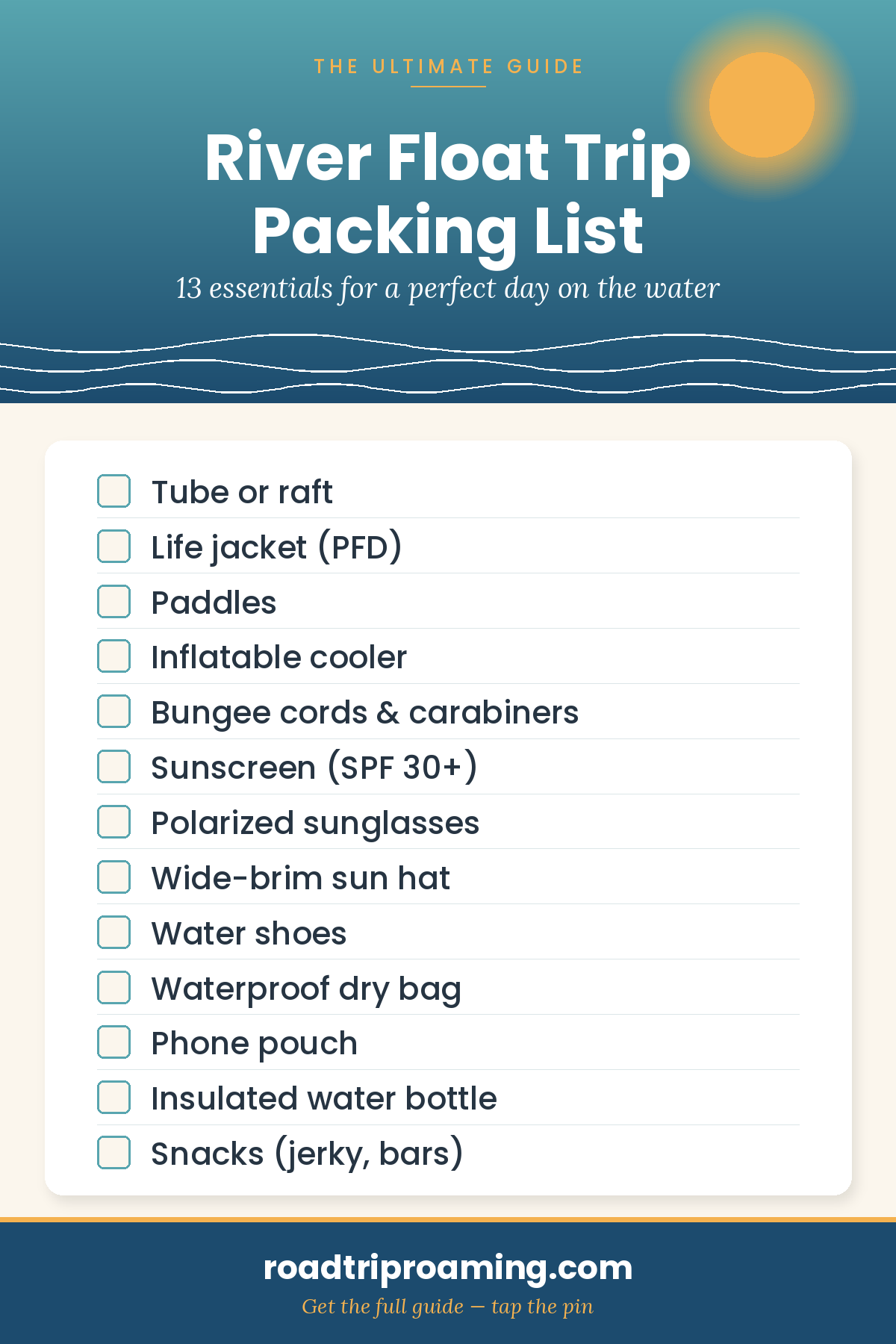
Quick River Float Packing List





What to Pack for a River Float Trip
Tube or Raft
The tube or raft is the foundation of your float trip, so it’s worth getting one that’s comfortable for a long day on the water. The Intex River Run is a classic for a reason — it has a built-in backrest, a mesh seat that keeps you cool, and cupholders right where you need them. Match your inflatable to the river: lazy floats are fine with a basic round tube, but rockier or faster sections call for something more durable. If you’re floating with a group, look for tubes with connector clips so you can link up and keep the party together.
Personal Flotation Device (Life Jacket)
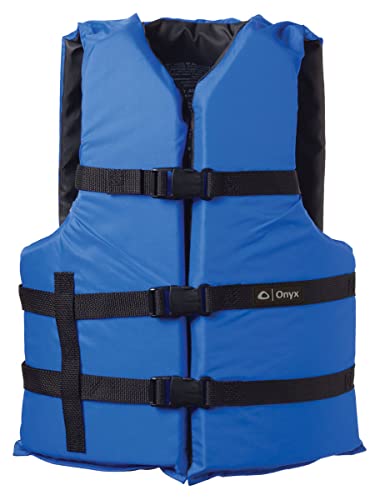
A life jacket is non-negotiable. Even on calm rivers, currents can shift, and even strong swimmers can get caught off guard by submerged rocks, branches, or sudden changes in depth. Many state and local parks actually require PFDs on the water, so check the regulations for your specific river. The Onyx Universal is comfortable enough to wear all day and adjusts to fit most adults — make sure yours fits snugly and is U.S. Coast Guard approved.
Paddles
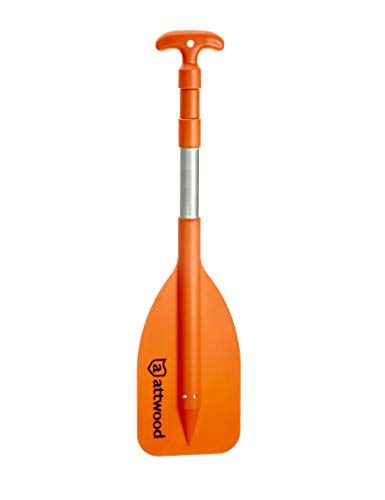
Even on a “lazy river,” paddles are worth bringing. They help you steer around obstacles, push off rocks, get back on course when the current sends you sideways, and reach shore when you’re ready for a break. Telescoping paddles like the Attwood collapse down small, so they fit easily in a dry bag or strapped to your tube. Plan on at least one paddle per group, ideally one per tube.
Inflatable Cooler
A floating cooler is a game-changer for any float trip. The Intex Mega Chill holds plenty of drinks and snacks, floats alongside you on a tether, and has a mesh bottom that keeps everything chilled by the river itself. Pack drinks in cans (most rivers don’t allow glass), fill it with ice, and don’t forget a few water bottles to stay hydrated — more on that below.
Bungee Cords, Twine, and Carabiners
These small items are easy to forget and incredibly useful once you’re on the water. Use bungee cords to secure your cooler to your tube, mason line or nylon twine to tether tubes together so your group stays close, and carabiners to clip dry bags and water bottles to tube handles so they don’t float away. There’s no faster way to lose a phone or pair of sunglasses than dropping them in moving water.
Sunscreen
You will get more sun than you think. Water reflects UV rays back up at you, so even shaded sections of the river deliver serious exposure. Use a reef-safe, water-resistant sunscreen with SPF 30 or higher, and reapply every two hours — more often if you’re getting in and out of the water. Don’t forget the tops of your feet, the back of your neck, and your ears.
Polarized Sunglasses
Polarized sunglasses cut glare off the water’s surface, which is both more comfortable and genuinely safer — you can actually see rocks and obstacles beneath the surface. Use a floating strap or croakie so they don’t end up at the bottom of the river when you inevitably take a splash.
Wide-Brim Sun Hat
A wide-brimmed hat protects your face, ears, and the top of your head from hours of direct sun. Look for one with a chin strap so it doesn’t blow off in the breeze, and choose a packable, quick-drying fabric so it bounces back if it gets splashed.
Water Shoes
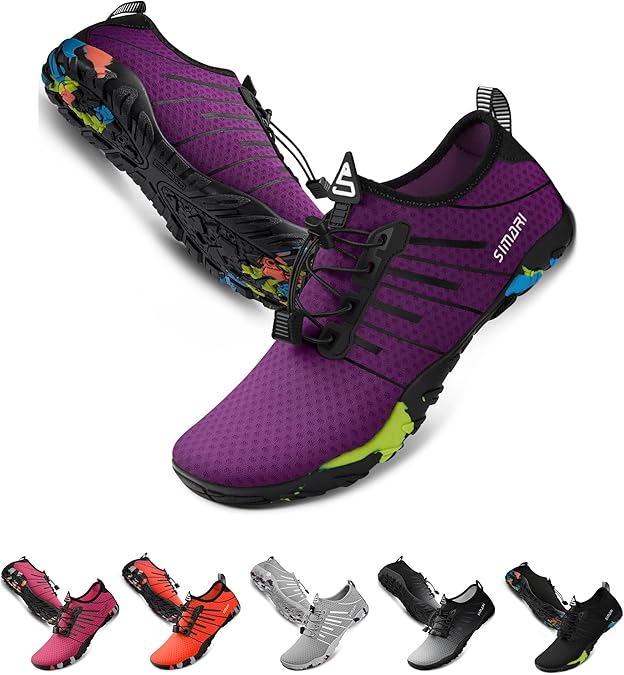
- Easy to put on and off
- Breathable fabric with a fast-draining design
- Soft cushioning for increased comfort
- No ankle support
River bottoms are rocky, slippery, and sometimes hide sharp surprises like broken glass or fishing hooks. Water shoes with good tread protect your feet at put-in and take-out spots, and they’re far easier to walk in than flip-flops, which can slip off in the current. Look for a snug fit, quick-drying material, and a sole sturdy enough to handle gravel and uneven rocks.
Waterproof Dry Bag Backpack
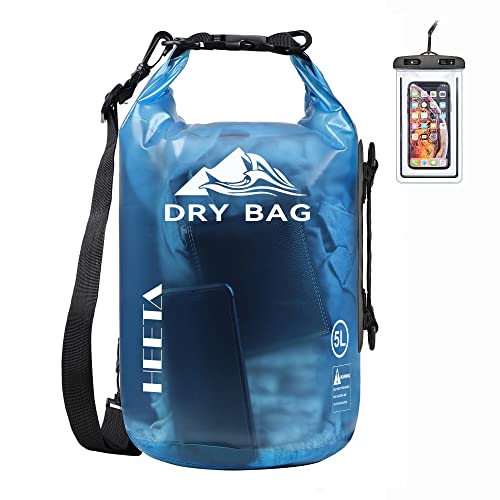
A waterproof dry bag is essential for anything you can’t afford to get wet — keys, wallet, phone, snacks, and a change of clothes. A backpack-style dry bag is especially convenient because you can wear it across portages or carry it easily back to the car. Roll the top closure tightly to ensure a true watertight seal, and pack the inside in roughly the order you’ll want things.
Waterproof Phone Pouch
Even with a dry bag, a waterproof phone pouch with a lanyard lets you keep your phone accessible for photos without risking water damage. Most touchscreen-compatible pouches let you snap pictures right through the plastic. Test the seal at home by sealing an empty pouch and submerging it for a few minutes before trusting it with your phone.
Insulated Water Bottle
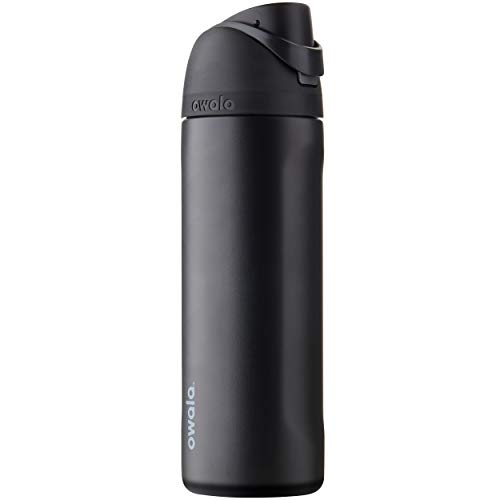
Float trips are deceptively dehydrating — you’re in the sun for hours, you’re not moving much, and beer or seltzer doesn’t count as hydration. Bring an insulated bottle full of ice water and clip it to your tube with a carabiner so it stays cold and close. Aim to drink water steadily throughout the day, not just when you start to feel thirsty.
Float-Friendly Snacks
Pack snacks that hold up to heat and don’t make a mess. Beef jerky, protein bars, trail mix, and individually wrapped cheese sticks (in the cooler) are all great float-friendly options. Avoid anything that melts or crumbles, and keep snacks in a sealed bag or container so nothing ends up in the river.
What to Wear on a River Float Trip
A swimsuit is the obvious base layer, but a few extras make a real difference. Wear a quick-drying rash guard or UPF shirt to protect your shoulders from sunburn — even with sunscreen, hours of direct sun add up fast. Quick-dry shorts over your swimsuit add a little more coverage when you’re sitting on hot tubes. Skip cotton entirely; once it gets wet, it stays wet and cold. And bring a dry change of clothes to leave in the car for the ride home — your future self will thank you.
River Float Trip Safety Tips
- Check the river conditions and weather before you go. Water levels, current speed, and afternoon storms can all shift quickly.
- Float with a group or at least tell someone your plans. Stay together on the water and agree on a meeting point if anyone gets separated.
- Go easy on alcohol. Sun, heat, and dehydration amplify the effects of drinking, and many rivers prohibit it altogether.
- Know your put-in and take-out points. Set up a shuttle vehicle at the take-out or use a local outfitter that runs shuttles.
- Leave no trace. Pack out everything you bring in, including drink tabs, snack wrappers, and any gear that gets loose.
- If you fall in, point your feet downstream. Float on your back and never try to stand up in moving water — your foot can get caught between rocks (called a “foot entrapment,” and it’s the leading cause of river drownings).
Frequently Asked Questions
How long does a typical river float trip take?
Most casual float trips last 2-4 hours, but it depends on the river’s current and the distance between put-in and take-out points. A 4-5 mile float on a slow river can easily take a full afternoon. Ask the local outfitter for an estimated float time before you launch.
Do I need a permit to float a river?
It depends on the river and state. Many popular float rivers don’t require permits for casual day floats, but some national parks, wildlife refuges, and conservation areas do. Always check local regulations before heading out.
Can I bring my dog on a float trip?
Many rivers welcome dogs, but they need a doggy life jacket (yes, those exist), plenty of shade, and access to fresh water. Pick a calm, slow river for your dog’s first trip and keep the float short to see how they handle it.
What’s the best time of day for a river float?
Late morning to early afternoon is usually the sweet spot — the water has warmed up, but you’ll finish before late-afternoon thunderstorms roll in (common in summer). Starting around 10 or 11 a.m. gives you a comfortable window without rushing.
What should I do if I lose something in the river?
If it floats, paddle downstream and try to catch up to it. If it sinks, it’s almost always gone — which is why securing everything with carabiners and bungee cords is so important. A small mesh net in your dry bag can help fish out floating items before they get away.
Final Thoughts
A great river float trip comes down to two things: bringing the right gear and not overpacking. Stick to the essentials on this list, secure everything to your tube, and you’ll be free to actually enjoy the water. Save this list, print it out, or pin it for your next summer adventure — and have an amazing day on the river.